
King Street Tua Pek Kong Temple
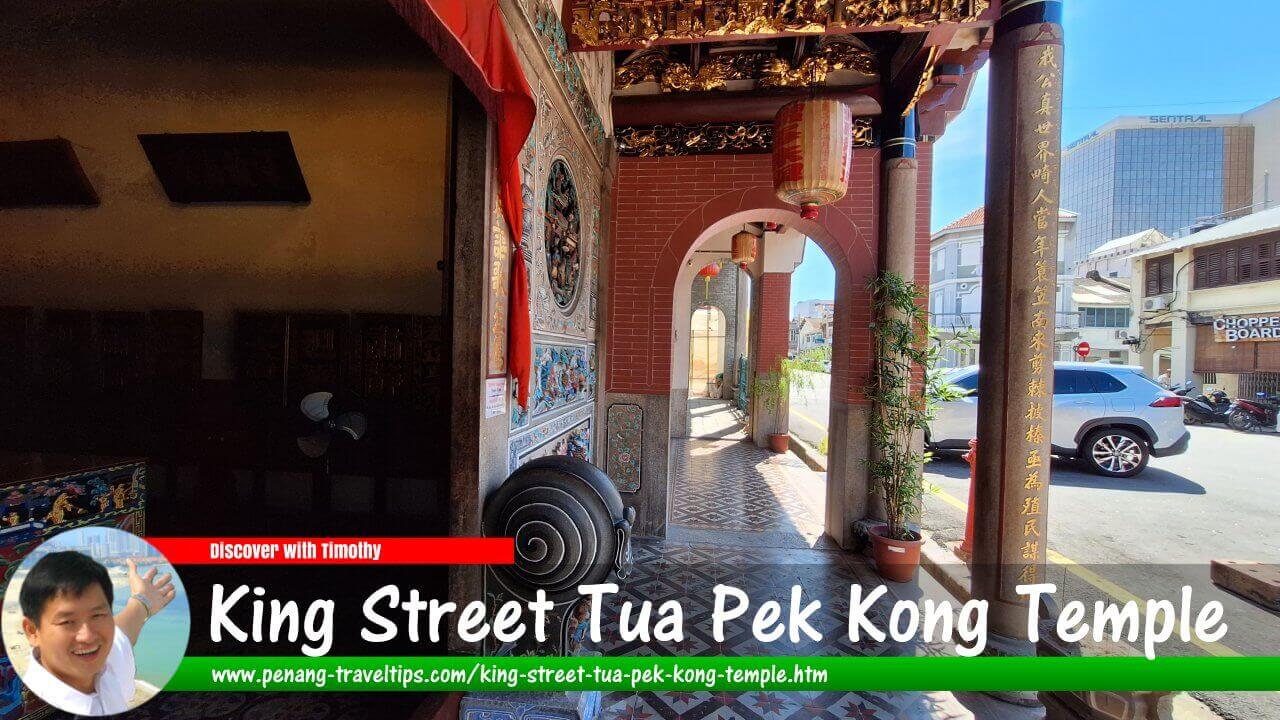 King Street Tua Pek Kong Temple (17 June 2025)
I have previously documented this temple, calling it the Cantonese Tua Pek Kong Temple. The other name for this temple is the King Street Tua Pek Kong Temple. Rather than revising that page, I create a fresh new page to describe it in a different way.
King Street Tua Pek Kong Temple, officially known as 大伯公街福德祠 (Dàbó Gōng Jiē Fúdé Cí), is a modest yet historically significant Chinese temple located along Lebuh King in the heart of George Town, Penang. Dedicated primarily to the Earth Deity, commonly referred to as Tua Pek Kong, this shrine reflects the enduring spiritual traditions of the early Chinese settlers who once populated the area. Despite its relatively small size, the temple forms an integral part of the cultural and religious landscape of the city’s historic core.
Historical Background
The origins of the King Street Tua Pek Kong Temple can be traced back to the early development of George Town as a trading port during the late 18th and 19th centuries. As Chinese immigrants settled in the area, particularly along Lebuh King and its surrounding streets, they established places of worship dedicated to protective deities such as Tua Pek Kong. These deities were believed to safeguard the community, ensure prosperity, and offer spiritual guidance.
The temple’s official name, 福德祠, literally translates to “Shrine of the God of Prosperity and Virtue,” referring to the Earth God, or Fude Zhengshen. In local Hokkien culture, this deity is widely identified with Tua Pek Kong, a figure revered for his benevolence and protective qualities. Over time, the temple became known simply as the King Street Tua Pek Kong Temple, reflecting both its location and its primary deity.
Although less prominent than larger temples in Penang, this shrine likely served the daily religious needs of residents, traders, and shopkeepers in the vicinity. Its continued existence today is a testament to the resilience of traditional beliefs and the preservation of intangible heritage within George Town’s UNESCO World Heritage Site.
Religious Significance
The temple is dedicated to Tua Pek Kong, a deity widely worshipped among Chinese communities in Southeast Asia. Often regarded as a guardian spirit and patron of prosperity, Tua Pek Kong is associated with wealth, safety, and community well-being. Worshippers typically offer incense, joss sticks, and prayers seeking blessings for business success, health, and protection.
As a Fude Ci, the temple also embodies the worship of the Earth God, who is believed to oversee the fortunes of a specific locality. This dual identity reflects the syncretic nature of Chinese folk religion, where deities may take on overlapping roles depending on local customs and interpretations.
Architecture and Layout
The King Street Tua Pek Kong Temple is characterized by its compact and unassuming architectural form, typical of small urban shrines found throughout historic Chinese settlements. The structure is integrated into a row of pre-war shophouses, blending seamlessly into the streetscape of Lebuh King.
The temple’s façade is relatively simple, marked by a traditional entrance plaque bearing its name in Chinese characters. Decorative elements, while present, are restrained compared to larger temples. These may include painted motifs, symbolic carvings, and auspicious inscriptions that reflect traditional Chinese artistic styles.
Inside, the layout is straightforward and intimate. The main altar is positioned centrally, where statues or tablets representing Tua Pek Kong and possibly other associated deities are placed. The interior space is typically filled with incense coils, offering tables, and ritual items, creating a dense and atmospheric environment for worship.
- Main Altar: Dedicated to Tua Pek Kong / Fude Zhengshen.
- Incense Area: For joss sticks and offerings.
- Decorative Elements: Calligraphy, symbolic motifs, and traditional ornaments.
The temple’s modest scale does not diminish its cultural value; rather, it highlights the everyday religious practices of ordinary people, in contrast to grander, more elaborate temples.
Cultural Context
Situated within George Town’s historic enclave, the King Street Tua Pek Kong Temple contributes to the rich tapestry of multicultural heritage that defines the city. Lebuh King itself is one of the oldest streets in George Town, historically associated with Chinese communities and commercial activities.
Temples such as this played a crucial role in fostering a sense of community among early settlers. Beyond religious functions, they served as gathering points where people could seek guidance, resolve disputes, and maintain social ties. Even today, the temple continues to attract devotees and visitors, offering a glimpse into the living traditions of Penang’s Chinese population.
The preservation of such small-scale heritage sites is essential in maintaining the authenticity of George Town’s urban fabric. While larger landmarks often receive more attention, these lesser-known shrines provide valuable insights into the daily lives and spiritual practices of past generations.
Visiting the Temple
Visitors to the King Street Tua Pek Kong Temple will find a quiet and contemplative space amidst the bustling streets of George Town. Its location along Lebuh King makes it easily accessible on foot, particularly for those exploring the nearby heritage attractions.
When visiting, it is advisable to observe basic temple etiquette, such as maintaining a respectful demeanor, refraining from loud conversations, and being mindful of worshippers. Photography may be permitted, but visitors should exercise discretion, especially during active पूजा or prayer sessions.
Though small in size, the temple offers a meaningful cultural experience, allowing visitors to appreciate the enduring legacy of Chinese folk religion in Penang.
King Street Tua Pek Kong Temple is  on the Map of King Street, Penang
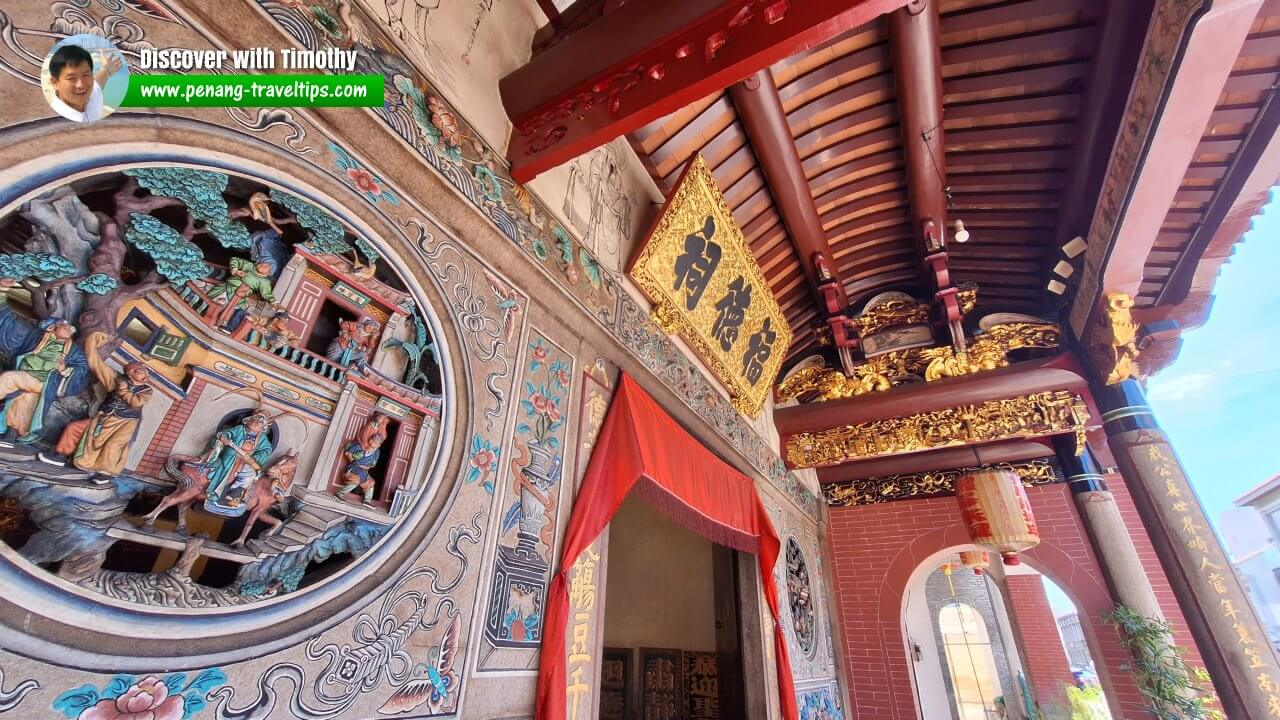 King Street Tua Pek Kong Temple (17 June 2025)
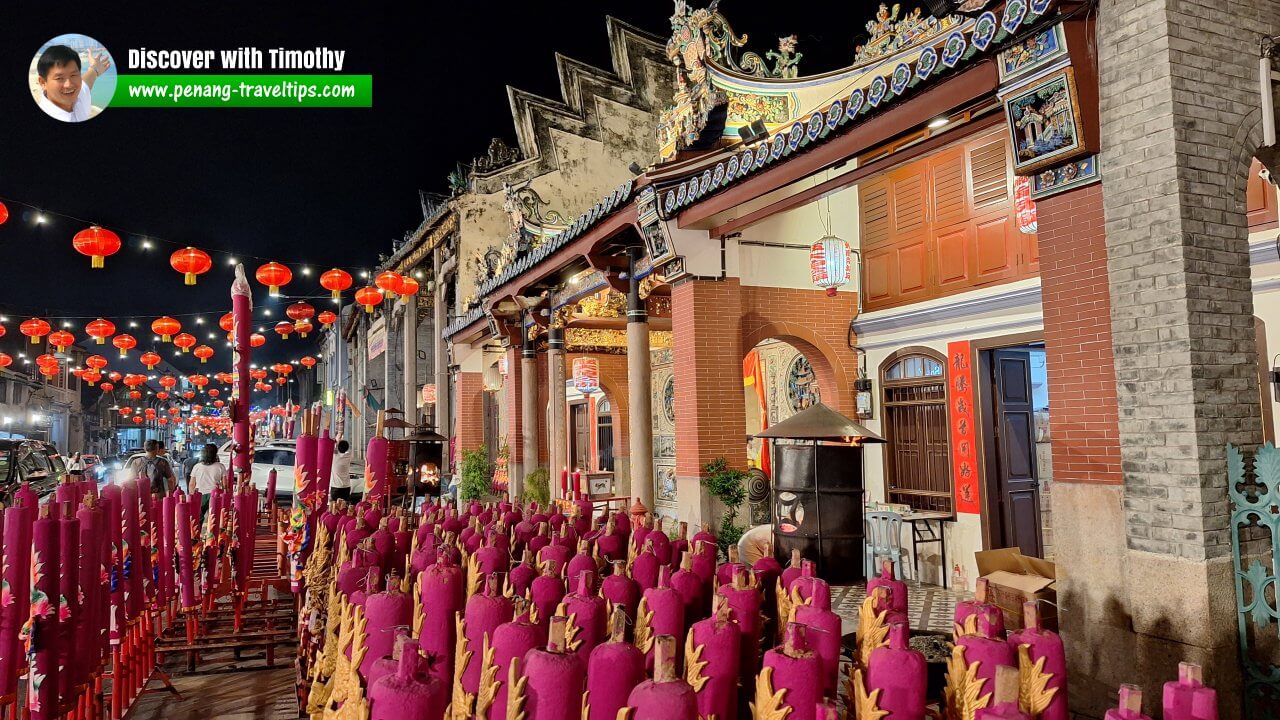 King Street Tua Pek Kong Temple at night during Chinese New Year (9 February 2024)
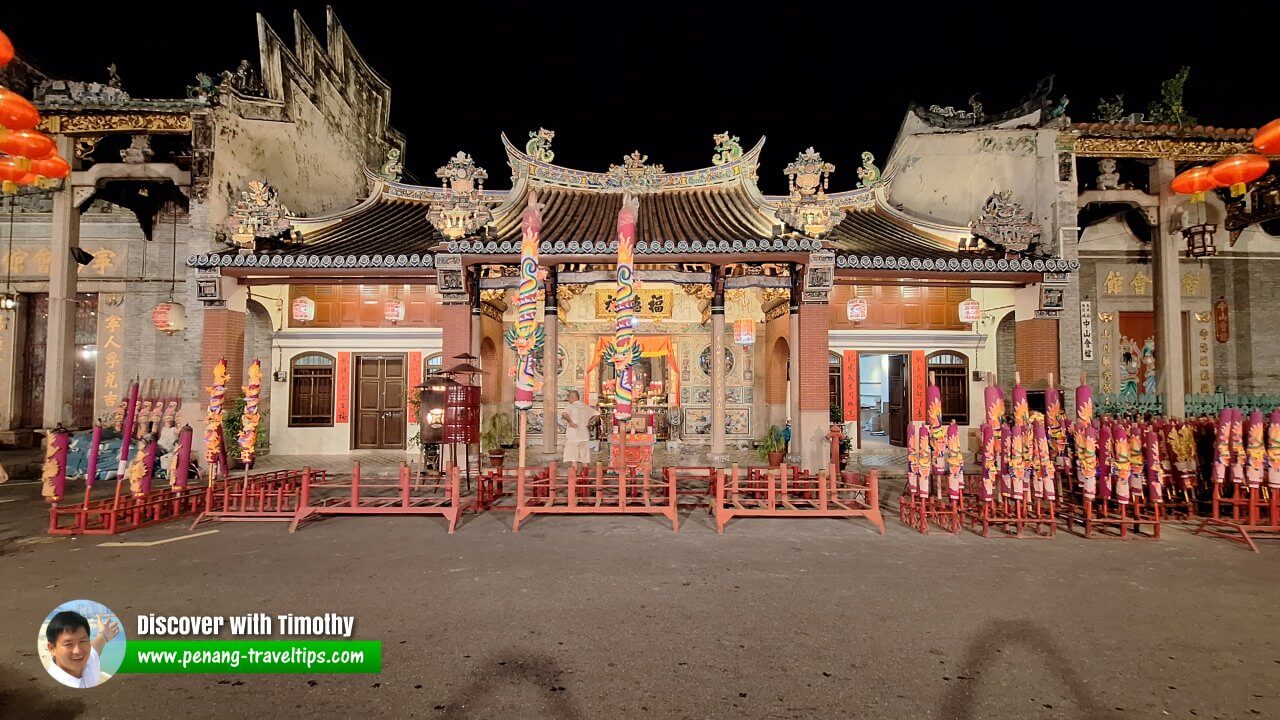 Front view of the King Street Tua Pek Kong Temple during Chinese New Year (9 February 2024)
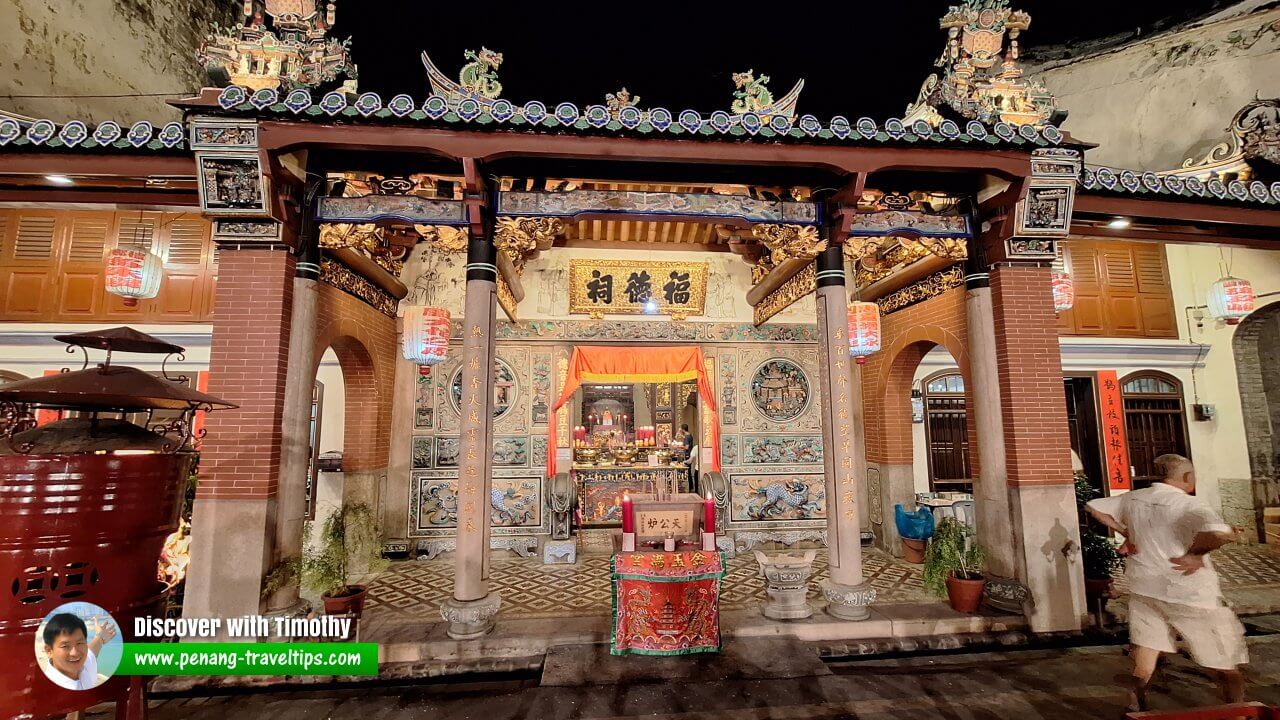 Front view of the King Street Tua Pek Kong Temple during Chinese New Year (9 February 2024)
References
Page Details
This page was created on 31 March 2026.Want to share your Penang travel experiences or get tips from fellow travellers?
Join the Penang Travel Tips Facebook GroupUseful guides for visiting Penang
My Videos of Penang
 Latest Pages & Updates
Buy Me A Coffee
If you enjoy the information I provide and want to support the work I do, please buy me a coffee! I appreciate it immensely, thank you so much!
