
Wang Kelian Travel Guide
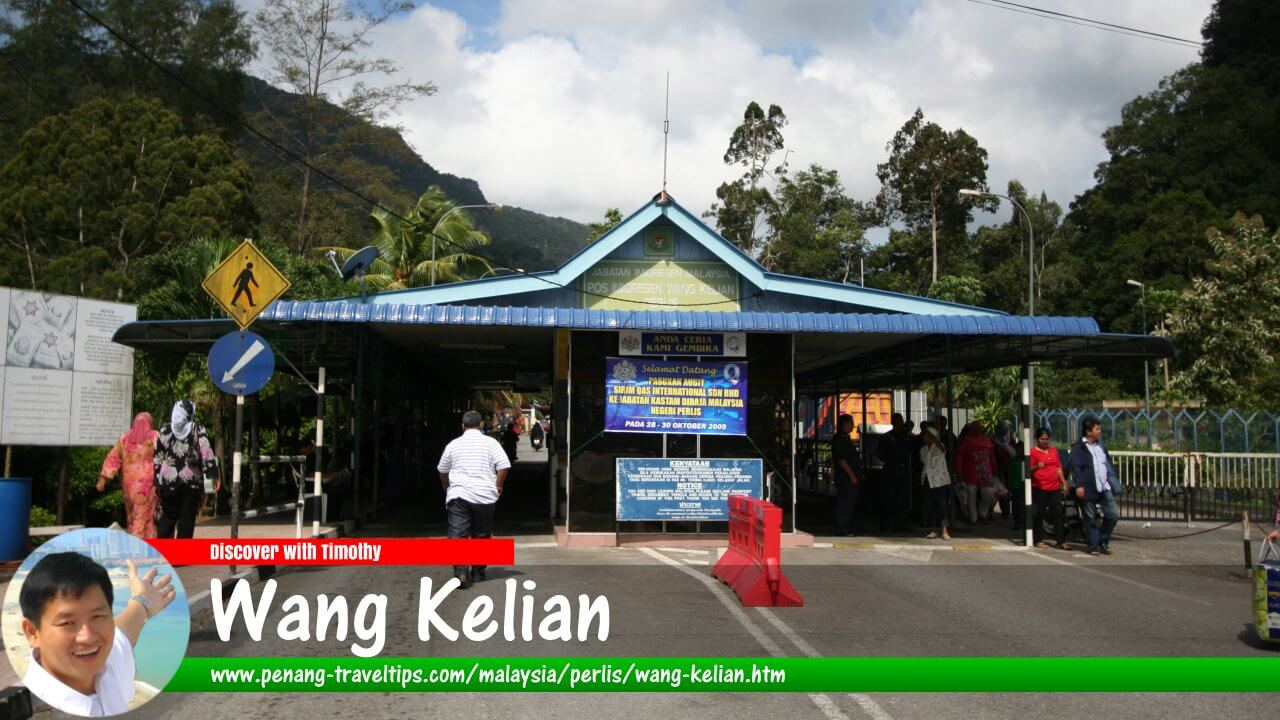 Wang Kelian Travel Guide (1 November 2009)
Also available: Panduan Melawat Wang Kelian
Wang Kelian is a small settlement in the northern part of Perlis, Malaysia, close to the border with Thailand. Surrounded by limestone hills and forested landscapes, it offers a very different experience from the state's better-known towns such as Kangar, Arau and Kuala Perlis.
The village is located in a remote and scenic part of Perlis, near the borderlands between Malaysia and Thailand. Its surroundings are associated with the rugged landscape of the Nakawan Range, an area known for limestone formations, forests and rich natural environments.
Wang Kelian is best known for its proximity to Perlis State Park, one of the state's most important natural attractions. The park protects part of the northern Perlis landscape and offers opportunities to experience forests, limestone hills, caves and wildlife.
For many years, Wang Kelian was also known for its role as a border crossing between Malaysia and Thailand. Its location near the Thai border gave the village a distinctive borderland character, although visitors should always check the current status and operating arrangements of border facilities before making travel plans.
Unlike a major tourist town, Wang Kelian does not offer large shopping centres, extensive hotel facilities or a busy urban environment. Its appeal lies instead in its quiet atmosphere and natural surroundings. It is particularly suitable for travellers who enjoy rural landscapes, nature and exploring lesser-known parts of Malaysia.
A visit to Wang Kelian can be combined with other destinations in northern Perlis, including Perlis State Park and attractions in the surrounding countryside. Because of its relatively remote location, having your own vehicle is particularly useful for travellers who wish to explore the area at their own pace.
For visitors looking beyond the usual Malaysian tourist destinations, Wang Kelian provides an opportunity to see a quieter side of Perlis. Its combination of borderland history, limestone scenery and access to natural attractions makes it one of the state's most distinctive places to explore.
History of Wang Kelian
The history of Wang Kelian is closely connected with its location in the remote northern part of Perlis, near the Malaysia-Thailand border. For much of its history, the area was shaped by its mountainous terrain, dense forests and relative isolation from the larger settlements of the state.
Before the modern boundaries between Malaysia and Thailand were established, the northern part of the Malay Peninsula was influenced by the changing political relationships between the Malay states and Siam, now Thailand. Perlis itself emerged as a separate state during the 19th century under the Jamalullail dynasty, while the northern frontier remained an important borderland region.
The modern international boundary in this part of the peninsula was largely defined following the Anglo-Siamese Treaty of 1909. The agreement established the basis for the boundary between British-controlled territories in Malaya and Siam, with Perlis becoming part of British Malaya while the territory to the north remained under Siamese control.
Wang Kelian subsequently became a small settlement close to this international frontier. Its location made it important as a local point of contact between communities on both sides of the border, although its remote position and difficult terrain limited large-scale urban development.
In later years, Wang Kelian became better known for its border crossing and the nearby Wang Kelian market, where Malaysians and Thais could trade and shop. The borderland location gave the area a distinctive character, with economic and social links connecting communities in northern Perlis with neighbouring southern Thailand.
More recently, Wang Kelian has also become associated with the conservation of northern Perlis's natural environment. The surrounding limestone hills and forests form part of one of Malaysia's most distinctive natural landscapes, while Perlis State Park has helped protect important areas of forest and wildlife.
Today, Wang Kelian remains a small and relatively quiet settlement. Its history is reflected less in large historical buildings than in its position within a frontier landscape shaped by changing political boundaries, cross-border connections and the natural environment of northern Perlis.
Getting to Wang Kelian
Wang Kelian is located in the northern part of Perlis, close to the Malaysia-Thailand border. Because of its remote location and limited public transport, travelling by private car is generally the most convenient way to reach the area.
By car: Visitors usually reach Wang Kelian by road from Kangar or other parts of Perlis. The journey takes travellers through the northern countryside of the state, where the landscape becomes increasingly rural and mountainous. Having your own vehicle also provides the flexibility needed to explore nearby attractions, including Perlis State Park and other natural areas.
From Kangar: Kangar is the main urban centre and administrative capital of Perlis, and it is the most practical starting point for many visitors travelling to Wang Kelian. Visitors can rent a car or use a private vehicle to travel north through the Perlis countryside. The journey is considerably longer than travelling between the state's main towns, so it is advisable to allow sufficient time.
By train: Wang Kelian does not have a railway station. Visitors travelling to Perlis by KTM ETS can alight at Arau Railway Station and continue by road. From Arau, visitors will generally need to arrange a car, taxi or other private transport to reach the northern part of the state.
By bus: Public transport options to Wang Kelian are limited. Long-distance buses can bring visitors to Kangar or other towns in Perlis, but continuing to Wang Kelian may require a taxi, hired vehicle or other private transport. Visitors who depend entirely on public transport should plan their journey carefully before travelling.
Getting around: A private vehicle is highly recommended for exploring Wang Kelian and the surrounding area. Attractions in northern Perlis are spread across rural and forested areas, and they are not generally connected by frequent public transport. A car also makes it easier to combine Wang Kelian with other destinations during the same trip.
Before travelling, visitors should check current road conditions and the operating status of attractions they intend to visit. Some natural attractions may have restricted access because of weather conditions, conservation measures or other circumstances. Travellers should also avoid assuming that border facilities are open without checking the latest official information.
Food in Wang Kelian
Wang Kelian is a small and relatively remote settlement, so visitors should not expect the wide range of restaurants found in larger towns such as Kangar or Arau. Food options in the immediate area can be limited, and travellers should plan accordingly, particularly if they intend to spend a full day exploring the surrounding countryside and natural attractions.
The food available in northern Perlis generally reflects the culinary traditions of the northern Malay Peninsula. Malay food is widely available in towns and villages throughout the state, with rice, fish, chicken, vegetables and spicy dishes forming important parts of everyday meals.
The proximity of Wang Kelian to Thailand has also influenced the food culture of northern Perlis. Thai-style flavours are familiar throughout the region, and visitors may encounter dishes featuring spicy, sour and aromatic ingredients. Depending on the location and available restaurants, Thai-influenced dishes may include soups, curries, fried rice and noodle dishes.
Because Wang Kelian is located in a rural area, visitors should not rely on finding restaurants open at all hours. It is advisable to have meals before travelling into more remote areas or to carry drinking water and suitable snacks, especially when visiting natural attractions where food outlets may not be available.
Muslim visitors will generally find halal food readily available in Perlis, particularly at Malay-owned restaurants and food stalls. However, visitors who require officially certified halal premises should check the certification status of individual establishments.
For travellers staying in Kangar or another larger town, it may be more convenient to enjoy a wider variety of food before travelling to Wang Kelian. This also allows visitors to focus their time in the northern part of Perlis on exploring the scenery, forests and other attractions rather than searching for restaurants.
Visitors travelling by car can also combine a trip to Wang Kelian with meals in other parts of Perlis. Since the state is relatively small, a carefully planned day trip can include rural sightseeing as well as stops for local food in towns and villages along the way.
Places to Visit in Wang Kelian
Wang Kelian is best known for its natural surroundings rather than for urban attractions. The area is located among the limestone hills and forests of northern Perlis, making it particularly suitable for visitors interested in nature, rural scenery and the distinctive landscapes close to the Malaysia-Thailand border.
Perlis State Park is the most important natural attraction associated with the Wang Kelian area. The park protects part of the Nakawan Range and contains forests, limestone formations and a variety of plant and animal life. It is one of the best places in Perlis for visitors who want to experience the state's natural environment.
The limestone landscape around northern Perlis is itself one of the attractions of visiting the area. The hills and rocky formations create scenery that is quite different from the flatter agricultural landscapes found elsewhere in the state. Visitors travelling by road through the area can enjoy views of the countryside and surrounding hills.
Wang Kelian View Point and other scenic locations in the surrounding area may provide opportunities to appreciate the landscape of northern Perlis. Access and facilities can change, so visitors should check current conditions locally before travelling to specific viewpoints or natural sites.
The Malaysia-Thailand border area has historically been an important part of Wang Kelian's identity. However, visitors should not treat border facilities as tourist attractions or assume that a border crossing is available. The status and operating arrangements of border facilities can change, and travellers should check official information before planning any cross-border journey.
Visitors may also wish to explore the wider countryside around Wang Kelian. Rural roads, villages and agricultural areas provide an opportunity to experience a quieter side of Perlis. This is particularly enjoyable for travellers with their own vehicle, as they can explore the region at a relaxed pace.
Wang Kelian is best combined with other natural destinations in northern Perlis. A visit to the area can form part of a day trip from Kangar or a wider exploration of Perlis that includes forests, limestone landscapes, rural communities and other attractions away from the state's main towns.
Where to Stay in Wang Kelian
Wang Kelian is a small rural settlement and has limited accommodation compared with the larger towns of Perlis. Visitors should therefore not expect a wide selection of hotels or resorts within the village itself.
For travellers who want to stay close to Wang Kelian and the surrounding natural attractions, accommodation in the northern part of Perlis may include small guesthouses, homestays and other simple lodging options. Availability can be limited, so it is advisable to make arrangements in advance, particularly during weekends and public holidays.
Kangar is the most practical base for visitors who prefer a wider choice of accommodation. As the state capital, Kangar has hotels and other lodging options catering to different budgets. From Kangar, visitors can make a day trip to Wang Kelian and return to town for the night.
Kuala Perlis is another possible base, particularly for travellers who are combining Wang Kelian with a visit to the coastal town or a ferry journey to Langkawi. It offers more accommodation choices than Wang Kelian itself, although it is farther from the northern border area.
Arau can also be considered, especially by visitors arriving in Perlis by train. The town has accommodation options and is conveniently located for travellers who wish to combine Wang Kelian with other destinations in Perlis.
For visitors intending to explore Perlis State Park and the surrounding countryside, choosing accommodation based on the day's itinerary may be more practical than insisting on staying in Wang Kelian itself. A rental car makes this arrangement particularly convenient.
Travellers should also remember that Wang Kelian is primarily a nature and borderland destination rather than a resort town. Staying in Kangar or another larger Perlis town can provide greater access to restaurants, shops, petrol stations and other everyday facilities while still allowing a convenient visit to Wang Kelian.
Practical Information for Visitors
Wang Kelian is best visited as a nature and countryside destination rather than as a conventional town. Visitors should plan their trip in advance, particularly if they intend to visit the Wang Kelian Viewpoint or explore Perlis State Park.
The best time to visit the Wang Kelian Viewpoint is early in the morning, when visitors may be able to see a sea of clouds and the sunrise over the surrounding landscape. The viewpoint is located within the Mata Ayer Forest Reserve, part of the Perlis State Park area, and requires a short uphill walk to reach the viewing platform. 1
Visitors interested in hiking, caving or other activities within Perlis State Park should check access requirements before travelling. Certain activities, including cave exploration, require permission and the services of a qualified guide. 2
The weather can be hot and humid, particularly during the daytime. Those visiting outdoor attractions should wear comfortable footwear, carry sufficient drinking water and use sun protection. For hiking or nature activities, appropriate clothing and equipment are recommended.
Food and other facilities are more limited in the Wang Kelian area than in Kangar or other larger towns. Visitors should therefore carry water and snacks when necessary and avoid assuming that food outlets or other services will be available throughout the day.
Wang Kelian is also a border area with Thailand. Visitors intending to cross into Thailand should check the latest immigration and border-crossing requirements before travelling. Malaysian citizens born or permanently resident for more than one year in Perlis, Kedah, Kelantan or specified districts of Hulu Perak may be eligible for a Malaysia-Thailand Border Pass, subject to the conditions set by the Immigration Department of Malaysia. 3
For most visitors, Wang Kelian works particularly well as part of a wider Perlis itinerary. A trip can be combined with Perlis State Park, Gua Kelam, Padang Besar, Timah Tasoh Lake and other attractions in northern Perlis.
Wang Kelian is  on the Map of Towns in Perlis
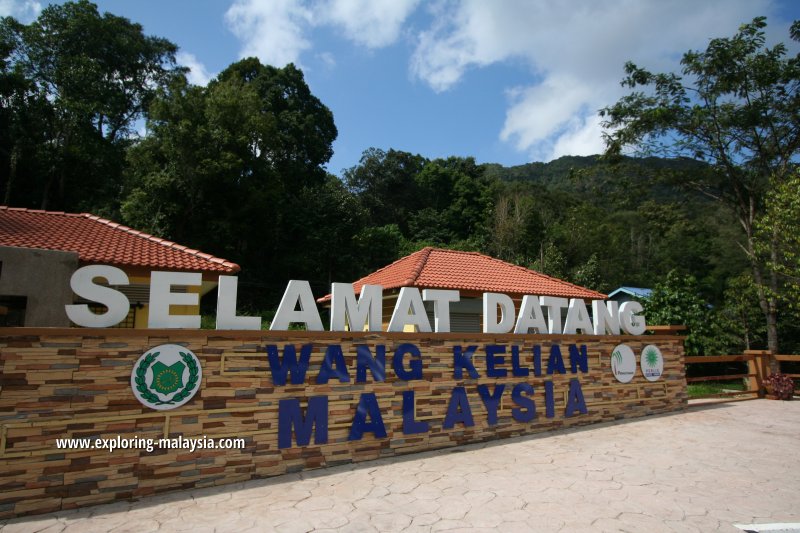 Wang Kelian Welcome Sign (1 November, 2009)
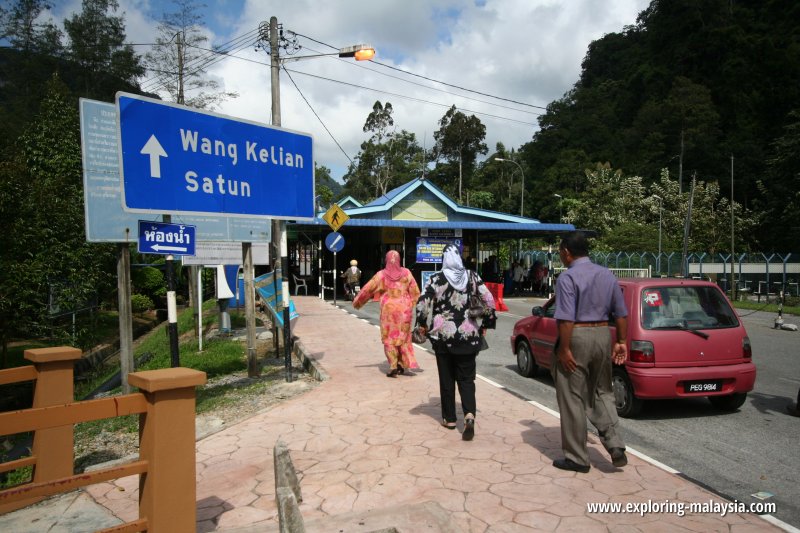 Visitors crossing the border at Wang Kelian (1 November, 2009)
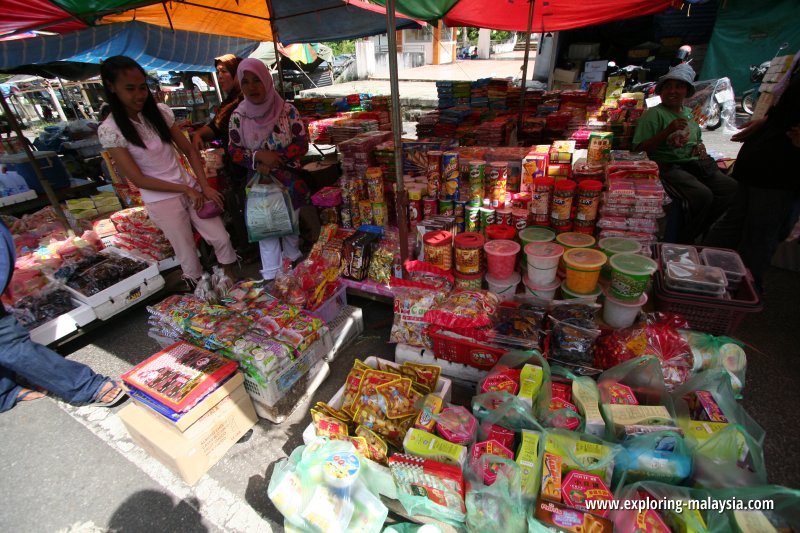 Stall at Wang Kelian (1 November, 2009)
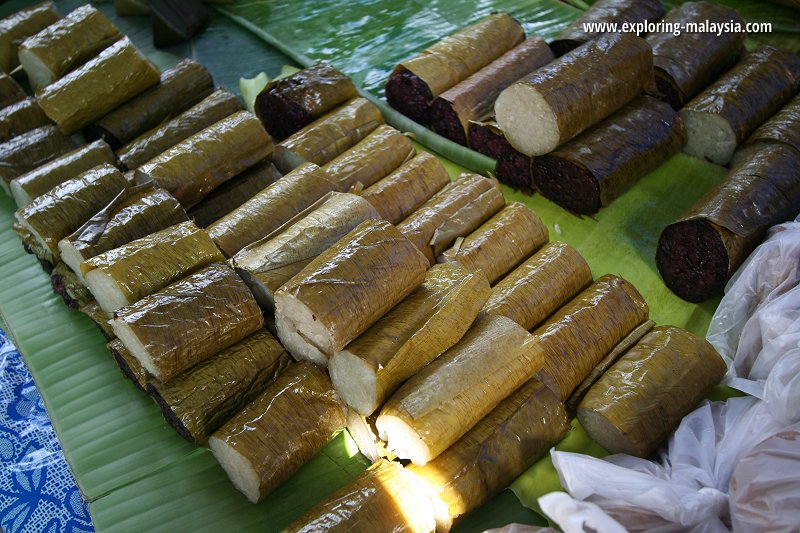 Lemang on sale at Wang Kelian (1 November, 2009)
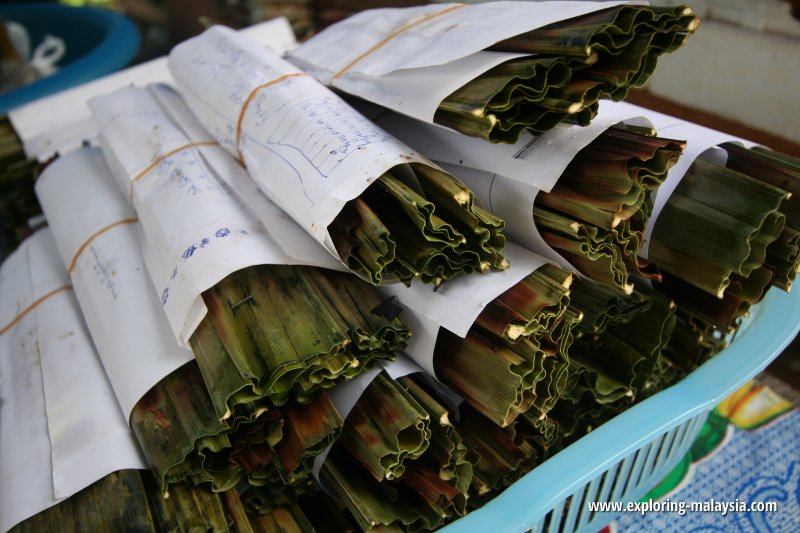 Perlis-style otak-otak on sale at Wang Kelian (1 November, 2009)
References
- Tourism Malaysia, Wang Kelian.
- Tourism Malaysia, Wang Kelian and Perlis State Park information.
- Immigration Department of Malaysia, Malaysia-Thailand Border Pass.
Page Details
This page was created on 8 September 2026. Hi, my name is Timothy and created it from my research, for my own entertainment, knowledge and to satisfy my curiosity. I am providing the information to you in good faith and hope it is useful. I try to get the details as accurate as possible. I also try to update the page whenever I stumble on new details. So this and all my other pages are perpetual work in progress. If you discover any error, please politely inform me, pointing out where the error lies, and I will correct it as soon as possible. Your helpfulness will keep this page accurate, relevant and helpful to those who need the information. Latest Pages & Updates
Buy Me A Coffee
If you enjoy the information I provide and want to support the work I do, please buy me a coffee! I appreciate it immensely, thank you so much!
