
Pangkor Travel Guide
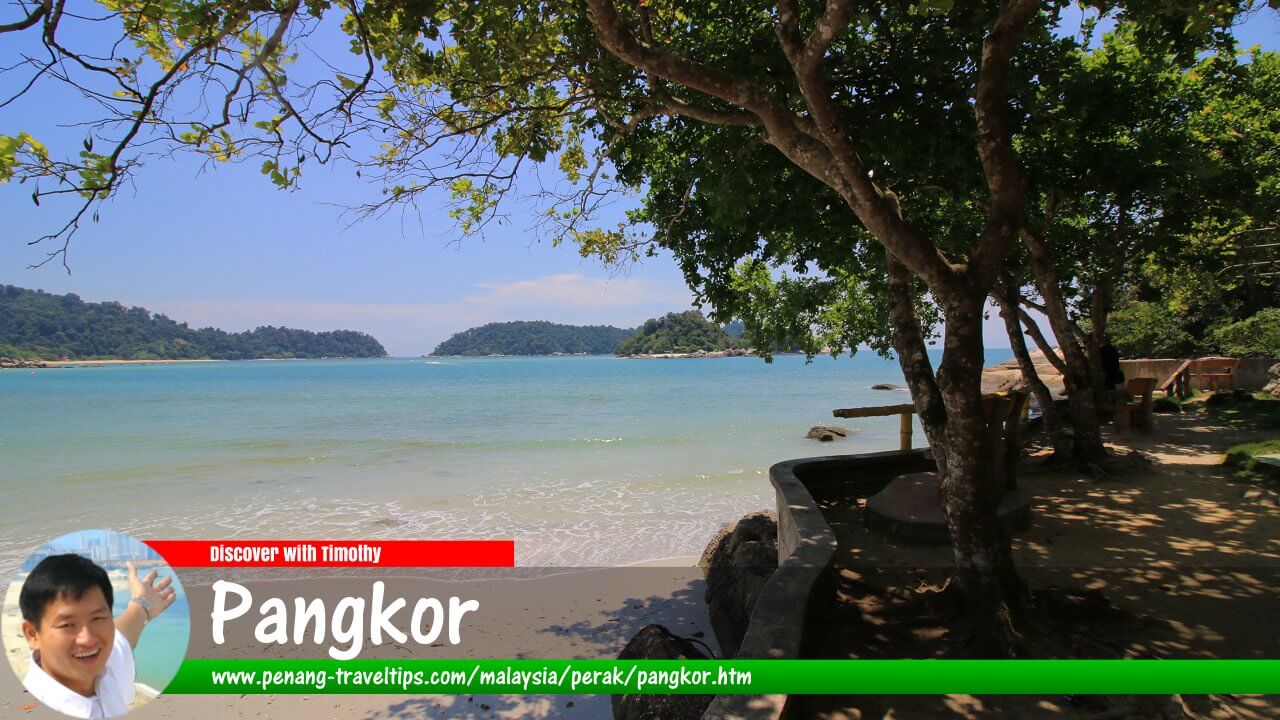 Pangkor Travel Guide (AI generated on 10 September 2026)
Also available: Panduan Melawat Pangkor
Pangkor is a small island off the coast of Perak, Malaysia, in the Manjung District. Known for its beaches, fishing villages, seafood, tropical scenery and historical sites, the island is one of Perak's best-known holiday destinations. It is easily reached by ferry from the mainland at Lumut and Marina Island.
Although Pangkor is often associated with beach holidays, the island has a much broader character. Its history includes the Perak tin trade, European colonial involvement, traditional fishing communities and Chinese and Malay cultural heritage. Visitors can explore the 17th-century Dutch Fort, visit temples and mosques, observe fishing villages, enjoy seafood and take part in activities such as snorkelling, kayaking and island-hopping.
For local travellers, Pangkor works well as a weekend destination or short family holiday. For foreign travellers, it offers an accessible introduction to the islands and coastal culture of western Peninsular Malaysia without requiring a long journey from Kuala Lumpur or Ipoh.
Quick Facts
Island: Pangkor
District: Manjung
State: Perak
Location: West coast of Peninsular Malaysia
Nearest mainland town: Lumut
Main ferry points: Lumut Jetty and Marina Island Jetty Complex
Main beaches: Pasir Bogak, Teluk Nipah, Coral Beach and Teluk Belanga
Main historical attraction: Dutch Fort
Other attractions: Pangkor Gallery, Pangkor Inscription Stone, Fu Lin Kong Temple, Lin Je Kong Temple and Masjid Al-Badr
Known for: Beaches, fishing villages, seafood, dried seafood products and island recreation
Suitable for: Families, couples, independent travellers, beach holidays, heritage and food trips
Where is Pangkor?
Pangkor lies off the west coast of Perak in the Straits of Malacca. It is part of Manjung District and is situated close to the mainland town of Lumut.
The island is relatively close to the mainland, making it considerably easier to reach than many of Malaysia's more remote islands. The journey by ferry from Lumut takes roughly 30 minutes, while the crossing from Marina Island can be considerably shorter.
From the island, visitors can see the mainland coast as well as nearby islands and smaller islets. Pangkor Laut, a separate privately owned island, lies nearby but should not be confused with Pangkor itself.
Why Visit Pangkor?
Pangkor is attractive because several different experiences can be combined within a relatively small island.
- Beaches: Pasir Bogak and Teluk Nipah are among the best-known beaches.
- Marine activities: Snorkelling, kayaking, boating and island-hopping are widely available.
- History: The Dutch Fort provides a direct connection to the island's 17th-century history.
- Fishing culture: Traditional fishing villages remain an important part of the island's identity.
- Food: Pangkor is known for seafood, dried seafood products and local dishes.
- Wildlife: Hornbills are among the island's most distinctive birds.
- Religious heritage: Mosques and Chinese temples reflect the island's diverse population.
A Brief History of Pangkor
Pangkor has a long history associated with maritime trade, fishing and the Perak sultanate. Its position off the west coast of the peninsula made it a useful location for vessels travelling along the Straits of Malacca.
The island also became involved in the international trade in tin. During the 17th century, the Dutch sought to control the export of Perak's tin, leading to the construction of a fort at Pangkor.
The island later became associated with one of the most important political agreements in the history of British intervention in the Malay states. The Pangkor Engagement of 1874 involved Sultan Abdullah of Perak and British representatives and marked a major turning point in British involvement in Perak.
The agreement eventually led to the appointment of J.W.W. Birch as the first British Resident of Perak. His appointment and subsequent policies contributed to political tensions that culminated in his assassination at Pasir Salak in November 1875.
Consequently, Pangkor is connected not only with beaches and tourism but also with a major chapter in the political history of Perak and British Malaya.
Dutch Fort
The Dutch Fort, or Kota Belanda, is one of Pangkor's most important historical landmarks. It is located at Kampung Teluk Gedung on the western side of the island.
The fort dates from the 17th century and was associated with Dutch efforts to control the tin trade of Perak. Its location allowed the Dutch to monitor maritime activity and the movement of tin from the Perak River region.
Only part of the original structure survives, but the remaining stone walls provide an unusual historical attraction on an island otherwise better known for beaches and fishing.
The fort is particularly worthwhile for travellers who want to understand why Pangkor became strategically important before the modern tourism industry developed.
Pangkor Inscription Stone
The Pangkor Inscription Stone is another historical feature of the island. The stone is associated with an old Tamil inscription and provides evidence of the wider network of maritime contacts and communities that existed around the Straits of Malacca.
For visitors interested in history, the inscription is a reminder that Pangkor's story predates modern tourism by many centuries.
Pangkor Gallery
Pangkor Gallery is among the island's cultural attractions and can be included in a heritage-oriented tour of Pangkor.
A visit to the gallery can complement the Dutch Fort and other historical sites by providing additional context about the island, its people and its history.
Pasir Bogak Beach
Pasir Bogak Beach is one of Pangkor's best-known beaches and is located relatively close to the main settlement and jetty area.
The beach has shallow coastal waters and has long been popular for swimming, picnics and family outings. Water-based activities may also be available depending on weather and local operators.
Because Pasir Bogak is easily accessible, it can become busy during weekends, public holidays and school holidays.
Teluk Nipah
Teluk Nipah is another major beach destination on Pangkor. It has a more tourism-oriented atmosphere, with accommodation, restaurants, shops and operators offering marine activities.
The beach faces several small islands and islets. During suitable tidal and weather conditions, visitors can explore the coastal area and nearby marine environment.
Teluk Nipah is particularly suitable for travellers who want to stay close to the beach while still having easy access to restaurants and recreational activities.
Coral Beach and Pulau Giam
Coral Beach lies near Teluk Nipah and is associated with snorkelling and other marine activities.
Pulau Giam, a small island off Pangkor, is commonly included in island-hopping and snorkelling excursions. The waters around Pangkor and its neighbouring islands can contain coral communities and a variety of marine fish.
Marine conditions vary according to weather and season. Operators may change the route or cancel trips when sea conditions are unsuitable.
Other Beaches and Coastal Areas
Pangkor has numerous smaller bays and coastal areas besides its best-known beaches. These include Teluk Dalam, Teluk Belanga, Teluk Cempedak and Teluk Segadas.
Some are quieter than Pasir Bogak and Teluk Nipah, making them useful for visitors who want to experience a less developed side of the island.
Fishing Villages
Fishing remains an important part of Pangkor's identity. Traditional fishing villages can be found around the island, particularly in areas such as Sungai Pinang Kecil.
Visitors may see fishing boats, seafood-processing activities, houses close to the waterfront and products being prepared for sale. Dried seafood is an important part of Pangkor's local economy and is one of the island's characteristic products.
When visiting fishing villages, travellers should remember that these are working communities rather than open-air museums. Respect residents' privacy and avoid entering private property or photographing people without permission.
Pangkor's Seafood
Seafood is an important part of the island's food culture. Restaurants serve fish, prawns, squid and other seafood, while dried seafood products are sold at various shops.
One local speciality associated with Pangkor is laksa Pangkor. The island is also known for satay ikan, a processed fish snack that is commonly associated with the island's seafood industry.
Visitors who want to bring dried seafood home should check packaging, storage requirements and any applicable customs restrictions before travelling onward.
Halal Food for Muslim Travellers
Muslim visitors have access to Malay and other Muslim-friendly food options on Pangkor, particularly around the main settlements. However, Pangkor also has many Chinese seafood restaurants, and not every restaurant is halal.
Seafood itself is generally halal, but Muslim travellers should still check whether sauces, cooking ingredients and preparation methods comply with their dietary requirements. Restaurants that clearly identify themselves as halal or Muslim-owned are the safest choices when certainty is important.
During busy periods, it is useful to plan meals ahead because some restaurants may become crowded, particularly around Teluk Nipah and Pasir Bogak.
Masjid Al-Badr, Masjid 1000 Selawat
Masjid Al-Badr, commonly known as Masjid 1000 Selawat, is one of Pangkor's most distinctive Islamic landmarks.
The mosque is notable for the extensive selawat inscriptions incorporated into its architecture. Its unusual appearance has made it a recognisable attraction for both Muslim visitors and other travellers.
For Muslim travellers, the mosque is also a practical place to stop for prayers while exploring the island. Visitors should dress appropriately and observe the rules of the mosque.
Masjid Terapung Pangkor
The Masjid Al-Badr is sometimes described as the floating mosque because of its setting near the water. It has become one of the island's most recognisable landmarks.
The mosque has an open and air-conditioned prayer area and other facilities. Its location allows visitors to combine religious, architectural and scenic interests in a single stop.
Fu Lin Kong Temple
Fu Lin Kong Temple is a Chinese temple located in the island's interior. It is one of the better-known cultural attractions on Pangkor.
The temple is surrounded by greenery and includes a garden area. Its distinctive features provide a contrast to the island's beaches and Malay fishing villages.
Visitors should remember that the temple remains a place of worship. Dress respectfully and avoid disturbing worshippers during religious activities.
Lin Je Kong Temple
Lin Je Kong Temple is another Chinese temple on Pangkor. Like Fu Lin Kong, it contributes to the island's multicultural character and illustrates the presence of Chinese communities on the island.
A visit to the temples can be incorporated into an island tour together with the Dutch Fort, fishing villages and beaches.
Hornbills of Pangkor
One of Pangkor's most distinctive wildlife experiences is the opportunity to see hornbills. The island provides habitat for these large and colourful birds, which are frequently seen around the more developed areas.
Hornbill-feeding activities have become a popular attraction near Teluk Nipah. Visitors should follow the instructions of local guides and avoid attempting to feed wild birds independently.
Wildlife should always be observed responsibly. Do not chase, capture or otherwise disturb the birds.
Jungle and Nature Activities
Although Pangkor is best known for its beaches, much of the island remains green and hilly. Visitors can explore the island's natural environment through short hikes and jungle walks.
Pangkor Hill and other forested areas provide opportunities to observe tropical vegetation and wildlife. The terrain can become steep and slippery after rain, so appropriate footwear is recommended.
Visitors should carry sufficient water and avoid entering unfamiliar forest trails alone.
Snorkelling and Water Sports
Snorkelling is one of the most popular activities around Pangkor and its neighbouring islands. The waters around Pulau Giam and other nearby islands are used for snorkelling trips.
Other activities available from the island may include kayaking, paddle boarding, banana-boat rides, jet skiing and other water sports.
Availability depends on weather, sea conditions and local operators. Visitors should use properly maintained equipment and follow safety instructions.
Island-Hopping
Island-hopping trips are commonly offered around Pangkor. A typical excursion may visit smaller islands and beaches around Pangkor, including areas suitable for snorkelling.
For travellers who have only one day on the island, an island-hopping trip can provide an efficient way to experience the surrounding marine environment.
Families with young children should check the type of boat, life-jacket arrangements, trip duration and sea conditions before booking.
Getting to Pangkor
The principal way to reach Pangkor is by ferry from the mainland.
From Lumut Jetty
Lumut Jetty is the traditional gateway to Pangkor. Tourism Malaysia lists the ferry journey from Lumut at approximately 30 minutes.
Lumut is connected by road to Ipoh, Kuala Lumpur, Penang and other parts of Peninsular Malaysia. Travellers arriving by bus can therefore use Lumut as the mainland staging point for the island.
From Marina Island
Marina Island Jetty Complex, near Lumut, also provides ferry services to Pangkor. The crossing is shorter than the traditional Lumut route and is convenient for travellers staying around Marina Island or the Lumut coastal area.
Ferry schedules and ticket prices can change. Check the current operator's timetable before travelling, particularly outside peak holiday periods.
Travelling from Kuala Lumpur
Pangkor can be reached from Kuala Lumpur by road to Lumut followed by a ferry crossing. The complete journey takes several hours, depending on traffic, road conditions and ferry connections.
For a short weekend trip, leaving Kuala Lumpur early is advisable. Travellers should allow sufficient time for parking, purchasing or collecting ferry tickets and boarding.
Travelling from Ipoh
Ipoh is substantially closer to Pangkor than Kuala Lumpur. Visitors based in Ipoh can drive west towards Lumut and continue by ferry.
This makes Pangkor practical as either a weekend trip or a longer Perak itinerary combining Ipoh, Batu Gajah, Lumut and Pangkor.
Getting Around Pangkor
Once on the island, visitors have several options for getting around.
Pink taxis are one of the most recognisable forms of transport on Pangkor. These vans can be hired for transfers and island tours and are particularly useful for visitors travelling in groups.
Motorcycles and bicycles may also be available for rent. Cycling is possible around much of the island, but visitors should be aware that some sections are hilly and that traffic conditions can vary.
For foreign travellers unfamiliar with Malaysian roads, hiring a taxi or van for an island tour can be more convenient than renting a motorcycle.
Accommodation
Pangkor has a wide range of accommodation, from simple guesthouses and budget hotels to beachfront resorts. Teluk Nipah and Pasir Bogak are among the most convenient areas for visitors who want to stay near beaches, restaurants and recreational activities.
The island also has accommodation in quieter areas for travellers who prefer a more peaceful setting.
During weekends, school holidays and public holidays, accommodation can become busy. Advance booking is advisable during peak periods.
Pangkor for Families
Pangkor is well suited to family holidays because many activities require little travelling. Families can combine beach time, swimming, island-hopping, wildlife observation and visits to historical and cultural attractions.
Pasir Bogak and Teluk Nipah are particularly convenient for families because they have established tourist facilities nearby.
Parents should nevertheless supervise children around the sea, boats, rocky shorelines and former forest trails. Sea conditions can change quickly.
Pangkor for Couples
Couples can choose between a lively beach holiday and a quieter stay in one of the island's less developed coastal areas.
Sunset at the western beaches is one of the simplest ways to enjoy Pangkor's scenery. A combination of a beach visit, seafood meal and evening walk can form a relaxed evening itinerary.
Pangkor for Backpackers and Independent Travellers
Pangkor is relatively straightforward to explore independently. The island is compact, accommodation is available at different price levels and the main beaches and attractions can be reached without complicated logistics.
Independent travellers should nevertheless plan ferry connections carefully, especially if arriving late in the day or travelling outside peak periods.
Pangkor for Foreign Travellers
For international visitors, Pangkor offers an accessible combination of Malaysian island scenery and everyday local life. Unlike some highly developed resort destinations, the island retains active fishing communities and ordinary residential areas alongside its tourist facilities.
Visitors can therefore experience more than beaches. A trip around the island can reveal fishing boats, seafood-processing activities, temples, mosques, village houses and small shops alongside hotels and beach resorts.
Pangkor is also relatively easy to combine with mainland destinations. A foreign traveller could, for example, spend several days in Ipoh before travelling to Lumut and continuing to Pangkor for a two- or three-night island stay.
Pangkor for Muslim Travellers
Pangkor is a practical destination for Muslim travellers because the island has an established Malay Muslim community and several mosques.
Visitors can plan their sightseeing around the five daily prayers, with mosques such as Masjid Al-Badr providing opportunities to stop for prayer while exploring the island.
Food requires slightly more planning because Pangkor has a mixture of Malay and Chinese establishments. Muslim travellers should distinguish between seafood being naturally halal and a restaurant or dish being prepared according to halal requirements.
For greater certainty, choose Muslim-owned or clearly halal establishments, particularly when ordering dishes containing sauces, marinades or processed ingredients.
Is Pangkor a Duty-Free Island?
Pangkor has a special customs and duty regime, although travellers should not assume that every product sold on the island is automatically free of all taxes or duties.
The Royal Malaysian Customs Department continues to list Pangkor under its Free Duty Island legislation. However, the Customs Duties (Pangkor) Order 2025, which came into force on 1 November 2025, specifically provides for import duty on certain goods transported into Pangkor, including motor vehicles, cigarettes, tobacco products and smoking pipes.
Visitors interested in duty-free shopping should therefore check the current customs rules and allowances rather than relying on older travel information.
Shopping and Local Products
Shopping in Pangkor is relatively modest compared with major cities. The island is better known for local seafood products, snacks, souvenirs and duty-free shopping than for large shopping centres.
Dried seafood is one of the most characteristic products to look for. Fish products and other seafood snacks can be purchased from shops associated with the island's fishing industry.
Chocolate and other packaged products may also be available at duty-free shops, subject to current customs regulations.
Best Time to Visit Pangkor
Pangkor can be visited throughout the year, but weather conditions affect beach and marine activities.
The west coast of Peninsular Malaysia generally experiences its own seasonal weather patterns, and conditions at sea can change. Travellers planning snorkelling or island-hopping should be flexible if the sea becomes rough.
Weekends and school holidays are usually busier. Travellers seeking a quieter experience should consider visiting on weekdays outside major holiday periods.
How Long Should You Stay?
A two-day, one-night trip is enough to see several of Pangkor's principal attractions and spend some time at the beach.
A three-day, two-night stay is more comfortable and allows time for beaches, heritage attractions, an island-hopping trip, local food and a relaxed exploration of the fishing villages.
A day trip is possible, but it leaves less time for enjoying the island at a leisurely pace and creates greater dependence on ferry schedules.
Suggested Two-Day Itinerary
Day 1
- Travel to Lumut or Marina Island and take the ferry to Pangkor.
- Check in to your accommodation.
- Visit Pasir Bogak Beach.
- Explore the Dutch Fort and Pangkor Inscription Stone.
- Visit nearby cultural attractions such as Fu Lin Kong Temple.
- Watch the sunset and have dinner at a suitable local restaurant.
Day 2
- Have breakfast and visit Teluk Nipah.
- Take an island-hopping or snorkelling trip if sea conditions permit.
- Explore the fishing villages and local seafood shops.
- Visit Masjid Al-Badr if appropriate for your itinerary and prayer schedule.
- Buy local products such as dried seafood.
- Return to Pangkor Jetty and take the ferry to the mainland.
Practical Tips
- Check ferry schedules before travelling and allow extra time during peak periods.
- Book accommodation in advance for weekends and school holidays.
- Bring sunscreen, sunglasses, drinking water and suitable footwear.
- Keep valuables secure when spending time at the beach.
- Check sea conditions before booking snorkelling or island-hopping activities.
- Wear a life jacket whenever required during boat activities.
- Do not touch coral, marine animals or other sensitive marine life.
- Do not feed wildlife unless participating in an organised activity where feeding is specifically permitted.
- Dress modestly when visiting mosques, temples and residential communities.
- Muslim travellers should confirm the halal status of restaurants before ordering.
- Bring a prayer garment or travel prayer mat if needed.
- Check current customs regulations before purchasing large quantities of duty-free goods.
- Respect fishing communities and do not enter private working areas.
Nearby Mainland Attractions
A trip to Pangkor can easily be combined with attractions on the mainland around Manjung and Lumut.
- Lumut – the principal mainland gateway to Pangkor, with a waterfront and maritime character.
- Marina Island – a man-made island and ferry gateway near Lumut.
- Teluk Batik – a popular mainland beach south of Lumut.
- Seri Manjung – the main urban centre of the Manjung area, with shopping, food and accommodation.
- Sitiawan – a historic town associated with Foochow settlement and local food culture.
- Manjung coastal area – a region with beaches, seafood and other coastal attractions.
Pangkor or Pangkor Laut?
Pangkor and Pangkor Laut are two different islands.
Pangkor is the larger inhabited island with villages, roads, shops, beaches, temples, mosques and a wide range of accommodation. It is the island most people mean when they simply say “Pangkor”.
Pangkor Laut is a separate privately owned island immediately nearby and is principally associated with its exclusive resort. A traveller planning an ordinary visit to Pangkor should therefore make sure that accommodation and ferry arrangements refer to the correct island.
Conclusion
Pangkor is one of Perak's most accessible island destinations and offers much more than a conventional beach holiday. Its beaches, fishing villages, seafood industry, wildlife, temples and mosques are combined with a history that reaches back to the era of the Perak tin trade and the Dutch presence in the Straits of Malacca.
The Dutch Fort and Pangkor Inscription Stone provide historical depth, while Teluk Nipah, Pasir Bogak and the surrounding islands provide opportunities for swimming, snorkelling and other marine activities. The island's fishing communities and seafood products add another distinctly local dimension.
For local travellers, Pangkor is convenient for a short family or weekend holiday. For foreign visitors, it offers an accessible way to experience the coastal and island culture of western Peninsular Malaysia. With careful planning for ferry times, weather, halal food and accommodation, Pangkor can comfortably support anything from a day trip to a relaxed three-day island holiday.
Map of Pulau Pangkor, Perak, Malaysia
Hotels in Pangkor
- Best Western Marina Island Resort Pangkor
 (GPS: 4.21218, 100.60367)
- Budget Beach Resort (GPS: 4.23181, 100.54625)

- Flora Beach Resort (GPS: 4.23185, 100.54594)

- Marina Cove Resort (GPS: 4.19219, 100.581)

- Nipah Guesthouse Pangkor (GPS: 4.23204, 100.5469)

- Palma Beach Resort (GPS: 4.23216, 100.546)

- Budget Beach Resort (GPS: 4.20897, 100.56075)

- Pangkor Indah Beach Resort (GPS: 4.23207, 100.54671)

- Pangkor Laut Resort
 (GPS: 4.19904, 100.54656)
- Pangkor Sandy Beach Resort (GPS: 4.20947, 100.5585)

- Pangkor Village Beach Resort (GPS: 4.21417, 100.54795)

- Purnama Beach Resort (GPS: 4.23177, 100.54655)

- Puteri Bayu Beach Resort (GPS: 4.21026, 100.55831)

- Sea View Hotel & Holiday Resort (GPS: 4.20888, 100.55871)

- Swiss Garden Beach Resort Damai Laut
 (GPS: 4.25991, 100.59168)
- Swiss-Villas and Bungalow Damai Laut (GPS: 4.25911, 100.59665)

- Uptown Beach Resort (GPS: 4.21429, 100.54839)

- Vikri Beach Resort (GPS: 4.21373, 100.55176)

Places in Pangkor Island
- Coral Beach (GPS: 4.23778, 100.54562)

- Pangkor Laut (GPS: 4.19904, 100.54656)
- Pantai Pasir Bogak (GPS: 4.21123, 100.55599)

- Pulau Giam (GPS: 4.23615, 100.54072)

- Pulau Mentagor (GPS: 4.22837, 100.53512)

- Sungai Pinang Kecil (GPS: 4.22782, 100.57433)

- Teluk Ketapang (GPS: 4.22019, 100.54478)

- Teluk Nipah (GPS: 4.21123, 100.55599)

Sights on Pangkor Island
- Batu Bersurat (GPS: 4.19927, 100.57607)

- Dutch Fort (GPS: 4.20046, 100.5761)

- Fu Lin Kong Temple (GPS: 4.22077, 100.57079)

- Kilang Satay Ikan Hai Seng Hin (GPS: 4.23014, 100.57352)

- Lin Je Kong Temple (GPS: 4.23952, 100.54419)

- Pangkor Airport (GPS: 4.2465, 100.55406)
- Pangkor Chinese Cemetery (GPS: 4.2349, 100.57257)

- Pangkor Look-Out Tower (GPS: 4.21359, 100.54486)

- Sri Pathirakaliamman Temple (GPS: 4.222, 100.57485)

Categories of sights in Pangkor
Transportation in Pangkor
- Pangkor Airport (GPS: 4.2465, 100.55406)
References
- Tourism Malaysia. Pangkor Island. https://www.malaysia.travel/explore/pangkor-island
- Tourism Malaysia. Islands and Beaches – Pangkor, Perak. https://ebrochures.malaysia.travel/en/islands-and-beaches/pangkorperak/
- Tourism Perak Malaysia. Pangkor Island. https://www.tourismperakmalaysia.com/pangkor-island/
- Tourism Perak Malaysia. Pangkor Island Brochure. https://www.tourismperakmalaysia.com/wp-content/uploads/2021/12/TPR-1912-0094_PangkorIsland_Booklet_030720.pdf
- Tourism Perak Malaysia. 12 Icons of Perak. https://www.tourismperakmalaysia.com/12-icons-of-perak/
- Tourism Perak Malaysia. Clusters. https://www.tourismperakmalaysia.com/clusters/
- Department of Fisheries Malaysia. Management of Marine Parks, Turtle Centres and Sanctuaries. https://www.dof.gov.my/en/services/marine-park-resource-management/marine-park-management/
- Royal Malaysian Customs Department. Customs Duties (Pangkor) Order 2025. https://www.customs.gov.my/images/06-prosedur/perintah-kastam/pulau-bebas-cukai/PUA387_2025.pdf
- Royal Malaysian Customs Department. Customs Procedures – Free Duty Islands. https://www.customs.gov.my/en/procedure/customs/customs
Page Details
This page was created on 15 September 2026. Hi, my name is Timothy and created it from my research, for my own entertainment, knowledge and to satisfy my curiosity. I am providing the information to you in good faith and hope it is useful. I try to get the details as accurate as possible. I also try to update the page whenever I stumble on new details. So this and all my other pages are perpetual work in progress. If you discover any error, please politely inform me, pointing out where the error lies, and I will correct it as soon as possible. Your helpfulness will keep this page accurate, relevant and helpful to those who need the information.Buy Me A Coffee
If you enjoy the information I provide and want to support the work I do, please buy me a coffee! I appreciate it immensely, thank you so much!
