
Tanjung Tualang Travel Guide
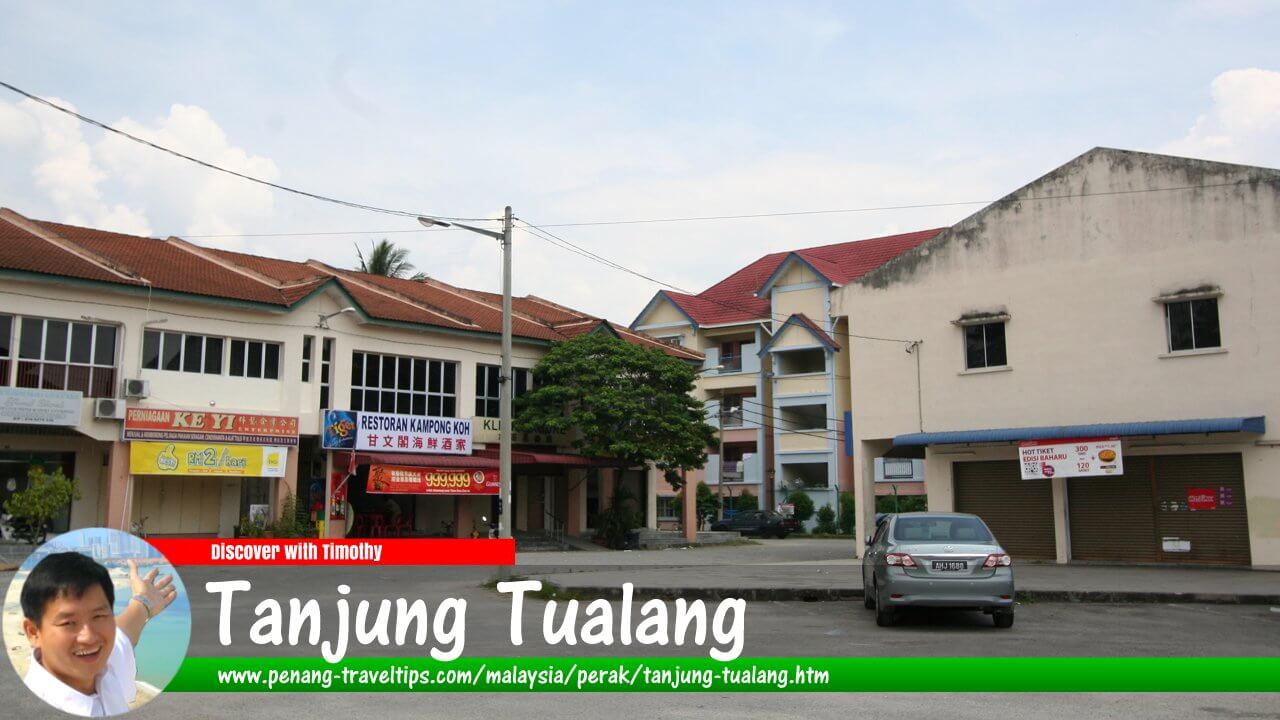 Tanjung Tualang Travel Guide (AI generated on 10 September 2026)
Also available: Panduan Melawat Tanjung Tualang
Tanjung Tualang is a small historic town in the Kinta District of Perak, Malaysia, best known for its long association with tin mining. Once surrounded by some of the largest tin mines and tin dredges in the Kinta Valley, the town today combines mining heritage, a quiet small-town atmosphere, freshwater prawn farming and several attractions that make it suitable for a short visit or as part of a wider exploration of the Batu Gajah and Kinta Valley area.
The most important attraction is the Tanjung Tualang Tin Dredge No. 5 (TT5), the last remaining tin dredge in Malaysia. Built in England in 1938 and operated for 44 years until 1982, the huge floating mining machine provides an unusually tangible way to understand the scale and technology of Perak's former tin-mining industry.
Tanjung Tualang is particularly suitable for travellers interested in industrial heritage, local history, food and the landscapes created by former mining activity. It can easily be combined with Batu Gajah, Papan, Kellie's Castle, Gopeng and other destinations in the Kinta Valley.
Quick Facts
Town: Tanjung Tualang
District: Kinta District
State: Perak, Malaysia
Local authority: Batu Gajah District Council
Main historical industry: Tin mining
Best-known attraction: Tanjung Tualang Tin Dredge No. 5 (TT5)
Other attraction: ESCAPE Ipoh @ Tanjung Tualang
Known for: Tin-mining heritage and freshwater prawns
Nearest major towns: Batu Gajah, Ipoh and Kampar
Best for: Heritage, history, food, family trips and exploring the Kinta Valley
Where is Tanjung Tualang?
Tanjung Tualang is in the western part of the Kinta Valley in Perak. It is administered by the Batu Gajah District Council and lies within Kinta District. Batu Gajah is the nearest major town, while Ipoh and Kampar are also within practical driving distance.
The town is situated in a landscape that was heavily transformed by tin mining. Many former mining areas have since become lakes and ponds, while other areas have been converted to plantations and other uses. These landscapes are now part of the everyday environment of Tanjung Tualang.
The road between Batu Gajah and Tanjung Tualang is particularly important for visitors because it connects several attractions associated with the area's mining heritage.
Why Visit Tanjung Tualang?
Tanjung Tualang is not a large resort town and does not have the concentration of attractions found in Ipoh. Its appeal is more specific: it offers an opportunity to see a former tin-mining landscape and to understand how the mining industry shaped a local town.
The main attraction, TT5, is particularly valuable because it is a physical example of the machinery used to extract tin from the alluvial deposits of the Kinta Valley. Rather than merely viewing photographs or reading about dredging, visitors can see the scale of the equipment for themselves.
The town is also associated with udang galah, or giant freshwater prawns. Former mining areas and waterways around Tanjung Tualang have supported freshwater aquaculture, and the town has become associated with restaurants serving freshwater prawns.
History of Tanjung Tualang
Tanjung Tualang developed during the expansion of the Kinta Valley tin-mining industry in the late 19th and early 20th centuries.
Historical research indicates that a road approximately 10 miles long was built from Batu Gajah to Tanjung Tualang in 1894. The new connection helped the settlement grow, and by the following year there were nearly 100 houses. A branch of the Straits Trading Company was also established there in 1895.
A bullock-cart road was subsequently constructed from Tanjung Tualang towards Megat near Tronoh to facilitate the development of newly opened mining land. A new police station was built in 1900, while rubber planting was introduced in the surrounding area in the early 20th century.
Some of the land initially used for rubber cultivation was later converted to tin mining. Chinese mining companies including Toh Allang Chinese Tin Company Ltd. and Kwong Yik Tin Mine were among the operators involved in the early development of the mining industry in the area.
The Tin-Mining Era
Tanjung Tualang became one of the important tin-mining centres of the Kinta Valley. Several large companies operated mines in the area, including Lower Perak Tin Dredging, Southern Kinta Consolidated, Southern Malayan Tin Dredging, Austral Amalgamated Tin, Osborne & Chapple and Pernas Chartered Management.
The scale of mining was considerable. Large mechanical dredges were used to work the alluvial deposits, creating enormous artificial lakes and changing the physical landscape.
By the 1970s, several very large tin dredges were operating in the Tanjung Tualang area. These machines were among the largest types of tin dredges used in the world. Smaller dredges and other mining methods were also employed.
The decline of the tin industry eventually brought most of these operations to an end. The great floating machines were dismantled, sold or abandoned, leaving only a small number of physical reminders of the industry.
Tanjung Tualang Tin Dredge No. 5
Tanjung Tualang Tin Dredge No. 5, commonly called TT5, is the most important heritage attraction in the town.
TT5 was built in England in 1938 by F.W. Payne & Sons for Malayan Tin Dredging Ltd. It was later upgraded in 1963 and continued operating until August 1982, giving it an operational life of 44 years.
When the Malaysian tin industry declined, most of the country's dredges disappeared. TT5 survived and was donated by Malaysian Mining Corporation to the Perak State Government in 1997. It has subsequently been preserved as an industrial heritage attraction.
TT5 is therefore more than an old piece of machinery. It represents the industrial technology that transformed the Kinta Valley and contributed to the economic development of Perak.
Visiting TT5
TT5 is currently open daily from 9.00am to 6.00pm. The operator currently lists admission tickets online, with children aged 0–3 entering free and a general ticket listed at RM38. Ticket prices and admission arrangements can change, so visitors should check the official TT5 website before travelling.
The site offers visitors the opportunity to learn about the dredge and the history of tin mining. Depending on the available programme, visitors may also experience activities associated with the former mining process.
Allow at least one to two hours if you want to examine the dredge properly rather than simply taking photographs from outside.
Understanding How a Tin Dredge Worked
A tin dredge was essentially a floating mining factory. It moved across a mining pond while extracting material from beneath the water. The material was processed on board to separate tin-bearing ore from the surrounding soil and gravel.
The use of dredges allowed mining companies to work large areas of alluvial deposits efficiently. The machines were enormous because the mining operation involved excavation, washing, separation and disposal of waste material on a continuous basis.
For visitors unfamiliar with the history of tin mining, TT5 provides an excellent introduction to the industrial processes that once dominated the Kinta Valley.
From Tin Mines to Mining Lakes
One of the most visible legacies of tin mining around Tanjung Tualang is the presence of large water-filled former mining pits.
These lakes are not natural lakes in the conventional sense. Many were created as a result of open-cast mining and dredging. After mining ended, the excavated areas filled with water and gradually became part of the surrounding landscape.
Some former mining ponds are now used for aquaculture, while others have become important habitats for plants, fish and birds. The transformation illustrates how industrial landscapes can acquire new functions after their original economic purpose has disappeared.
Udang Galah and Local Food
Tanjung Tualang is widely associated with udang galah, or giant freshwater prawns. Freshwater aquaculture became one of the activities associated with former mining land and waterways around the town.
Restaurants in and around Tanjung Tualang are particularly known for dishes featuring freshwater prawns. For many Malaysians, a meal featuring fresh udang galah is one of the reasons to make the journey to the town.
Visitors should nevertheless understand that not every restaurant or dish is necessarily halal. Muslim travellers should look for restaurants that are clearly halal or ask the restaurant operator about ingredients, cooking methods and sources of meat or seafood.
Food for Local and Foreign Travellers
Food is an important part of the Tanjung Tualang experience. Apart from freshwater prawns, visitors can find the usual range of Malaysian dishes in local coffee shops, restaurants and food stalls.
Foreign visitors who are interested in local food may find Tanjung Tualang useful as an introduction to the food culture of the Kinta Valley. The town is less tourist-oriented than Ipoh, so the experience is more closely connected with local residents and everyday commerce.
Muslim travellers should take particular care when eating at Chinese seafood restaurants. Seafood itself may be permissible, but sauces, cooking wine and other ingredients can affect whether a dish meets halal requirements. When in doubt, ask before ordering.
ESCAPE Ipoh @ Tanjung Tualang
For travellers seeking a more active experience, ESCAPE Ipoh @ Tanjung Tualang is located beside TT5 on Jalan Tanjung Tualang.
The attraction occupies about 140 acres and combines outdoor recreation, adventure activities and water-based entertainment. Activities include rope courses, climbing, zip lines, a slingshot, water attractions, camping and obstacle-course activities.
It provides a very different experience from TT5. A family travelling with children can therefore combine industrial heritage with a recreational attraction in the same general area.
The Batu Gajah District Council currently lists operating hours from Tuesday to Sunday, 10.00am to 6.00pm, with Monday reserved for maintenance. Admission prices are dynamic and depend on age and booking period, so check the latest information before visiting.
Religious Facilities for Muslim Travellers
Muslim visitors have several mosques and surau within the Tanjung Tualang area.
Masjid Nurul Hamidiah is located in Pekan Tanjung Tualang. Its history is closely connected with the growth of the town's population during the tin-mining era. The mosque was established in the 1960s after the existing prayer facilities became inadequate for the growing community.
Masjid Al-Falahiah in Kampung Changkat Tin was built in 1964. It replaced an earlier surau that had become too small for the local population, particularly for Friday prayers.
There are also other mosques and surau in villages along the Tanjung Tualang area. Muslim travellers can therefore plan their journey around the five daily prayers without needing to return to a larger town.
When visiting a mosque as a traveller, dress modestly, follow local mosque rules and avoid photographing worshippers without permission.
Getting to Tanjung Tualang
From Ipoh
From Ipoh, Tanjung Tualang can be reached by road through the Batu Gajah area. The journey is practical as a day trip from Ipoh, particularly for visitors who want to combine TT5 with other attractions in the southern Kinta Valley.
From Batu Gajah
Batu Gajah is the most convenient nearby town for travellers approaching Tanjung Tualang. The road from Batu Gajah to Tanjung Tualang has historically been important to the development of the town and remains the principal approach for visitors.
From Kuala Lumpur
Travellers from Kuala Lumpur can use the North-South Expressway towards Perak and leave the expressway for the Batu Gajah and Tanjung Tualang area. A private car is the most convenient option if several attractions are included in the itinerary.
Travelling by Train
Tanjung Tualang does not have a major passenger railway station of its own. Travellers using KTM services can use Batu Gajah railway station, which is served by KTM ETS services, and continue to Tanjung Tualang by road.
For foreign visitors travelling without a car, arranging a taxi or e-hailing service for the onward journey is advisable. Public transport within the rural areas around Tanjung Tualang is more limited than in Ipoh.
Getting Around
A car is the most convenient way to explore Tanjung Tualang and its surrounding attractions. This is particularly useful because the main attractions are spread along roads outside the town centre.
Walking is practical around the small town centre, especially if you want to observe local shops and everyday life. However, walking alone is not an efficient way to reach TT5 and the other attractions outside the centre.
Where to Stay
Tanjung Tualang has fewer accommodation choices than Ipoh or Batu Gajah. Travellers who want a wider selection of hotels can stay in Ipoh or Batu Gajah and visit Tanjung Tualang as a day trip.
Staying in Ipoh is particularly convenient for foreign travellers because the city has a much larger range of hotels, restaurants, shopping facilities and transport services.
Travellers who prefer a quieter environment can consider accommodation in smaller towns or rural areas around Batu Gajah, subject to availability.
Suggested One-Day Itinerary
Tanjung Tualang works well as part of a full-day Kinta Valley itinerary.
- Morning: Travel from Ipoh or Batu Gajah to Tanjung Tualang.
- Morning: Visit TT5 and spend time learning about tin dredging and the history of the Kinta Valley mining industry.
- Late morning: Explore the surrounding Tanjung Tualang area and former mining landscape.
- Lunch: Try a local meal, including freshwater prawns if a suitable halal restaurant is available.
- Afternoon: Visit ESCAPE Ipoh if travelling with children or if you enjoy outdoor activities.
- Afternoon: Continue towards Batu Gajah, Papan or another nearby heritage attraction.
- Evening: Return to Ipoh or Batu Gajah.
Tanjung Tualang for Families
Tanjung Tualang can be an interesting destination for families because it combines education and recreation.
TT5 provides an opportunity for children to see historical industrial machinery at a scale that cannot easily be conveyed through textbooks. Parents can explain how tin mining contributed to the development of Perak and why the Kinta Valley contains so many former mining lakes.
ESCAPE Ipoh provides a contrasting experience with outdoor and water-based activities. Families can therefore create a day that combines history in the morning with recreation in the afternoon.
Tanjung Tualang for Foreign Travellers
Foreign visitors interested in Malaysian history may find Tanjung Tualang particularly rewarding because its story connects several important themes: the British-era mining economy, Chinese mining enterprise, migrant communities, industrial technology, the growth of towns and the transformation of the landscape after the end of the tin boom.
TT5 is especially useful because it provides a tangible introduction to the industrial history of Malaya. The dredge also helps explain why towns such as Ipoh, Batu Gajah, Kampar and Tanjung Tualang developed so rapidly during the tin-mining era.
Visitors who have already explored the colonial architecture of George Town, Kuala Lumpur or Ipoh may find Tanjung Tualang interesting because it presents a different aspect of Malaysian history: the machinery and landscapes behind the wealth generated by the mining industry.
Best Time to Visit
Tanjung Tualang can be visited throughout the year. For outdoor activities and walking around the mining heritage sites, mornings are generally more comfortable because of the tropical heat.
Visitors should check the weather forecast before planning outdoor activities, particularly during periods of heavy rain. Wet weather may also make some outdoor areas less comfortable.
How Long to Spend in Tanjung Tualang
A visit focused on TT5 can take around one to two hours. Visitors interested in understanding the town and its food culture can spend half a day in the area.
If combined with ESCAPE Ipoh and attractions around Batu Gajah, Papan or Gopeng, Tanjung Tualang can comfortably form part of a full-day itinerary.
Practical Travel Tips
- Bring drinking water, especially if you intend to spend time outdoors.
- Wear comfortable footwear when visiting heritage and outdoor attractions.
- Check the latest opening hours and ticket arrangements before travelling.
- Book TT5 tickets according to the current online arrangements if required.
- Allow extra time if travelling between several attractions in rural areas.
- Muslim travellers should confirm the halal status of restaurants, particularly seafood restaurants.
- Carry a prayer garment or travel prayer mat if you require one.
- Use sunscreen and protection from the sun when spending time outdoors.
- Do not enter abandoned mining structures or restricted areas.
- Be careful around former mining ponds and deep water. Do not swim unless an attraction specifically permits it.
- Respect local residents and private property when photographing old buildings and village areas.
Nearby Attractions
Tanjung Tualang is particularly useful as a base for exploring the western and southern parts of the Kinta Valley. Nearby destinations include:
- Batu Gajah – a historic Kinta Valley town with colonial-era buildings and other heritage sites.
- Papan – a former tin-mining town associated with Raja Bilah and the Mandailing community.
- Kellie's Castle – an unfinished early 20th-century mansion near Batu Gajah.
- Gopeng – a former tin-mining town known for heritage, caves and outdoor adventure.
- Gua Tempurung – a major limestone cave and one of the best-known natural attractions around Gopeng.
- Kampar – another historic tin-mining town in the Kinta Valley.
- Ipoh – the main urban centre of the Kinta Valley, with extensive heritage, food and accommodation options.
The Importance of Tanjung Tualang
Tanjung Tualang is important because it preserves a part of the industrial history that shaped modern Perak. The town's development was closely connected to the extraction of tin, an industry that transformed the economy, population and landscape of the Kinta Valley.
The surviving TT5 dredge provides a rare physical connection to this period. The former mining ponds provide another reminder of the scale of the industry, while the town itself continues to preserve elements of the communities that developed around the mines.
Today, Tanjung Tualang demonstrates how a former mining town can adapt after the decline of its principal industry. Tin mining is no longer the basis of the local economy, but its legacy remains an important part of the area's identity.
Conclusion
Tanjung Tualang is a worthwhile stop for anyone interested in the history of Perak and the Kinta Valley. Its greatest attraction is TT5, the last surviving tin dredge in Malaysia, but the town offers more than a single industrial monument.
The surrounding mining landscape, freshwater prawn industry, local food and nearby attractions make Tanjung Tualang suitable for a relaxed day trip. Its proximity to Batu Gajah, Papan, Gopeng and Ipoh also makes it easy to incorporate into a wider Kinta Valley itinerary.
For local travellers, Tanjung Tualang provides an opportunity to explore an important chapter of Perak's economic history. For foreign travellers, it offers a different perspective on Malaysia beyond the major cities and beaches, showing how the tin-mining industry helped shape the towns, communities and landscapes of the country's interior.
Map of Tanjung Tualang
Places to eat in Tanjung Tualang
- Restoran Makanan Laut Sun Swee Kiong (GPS: 4.32638, 101.05533)

Sights in Tanjung Tualang
- Dewan Serbaguna Tanjung Tualang (GPS: 4.32596, 101.05757)

- Mahkamah Majistret Tanjung Tualang (GPS: 4.32622, 101.0569)

- Masjid Kampung Batu 8 (GPS: 4.35898, 101.06263)

- Masjid Nurul Hamidiyah (GPS: 4.32667, 101.05699)

- Medan Selera Tanjung Tualang (GPS: 4.32533, 101.05655)

- Pasar Sehari Tanjung Tualang (GPS: 4.32636, 101.05799)

- Persatuan Hokkien Tanjung Tualang (GPS: 4.32503, 101.05587)

- Petron Tanjung Tualang (GPS: 4.32503, 101.05587)

- Sekolah Jenis Kebangsaan (Cina) Thung Hon (GPS: 4.3258, 101.05706)

- Sekolah Kebangsaan Tanjung Tualang (GPS: 4.36857, 101.06127)

- Tanjung Tualang Chinese Temple (GPS: 4.32612, 101.05463)

- Tanjung Tualang Hindu Temple (GPS: 4.32595, 101.05523)

- Tanjung Tualang Market (GPS: 4.32595, 101.05523)

- Tanjung Tualang Tin Dredge No. 5 (GPS: 4.39664, 101.05316)

Streets in Tanjung Tualang
Selected sights in Tanjung Tualang
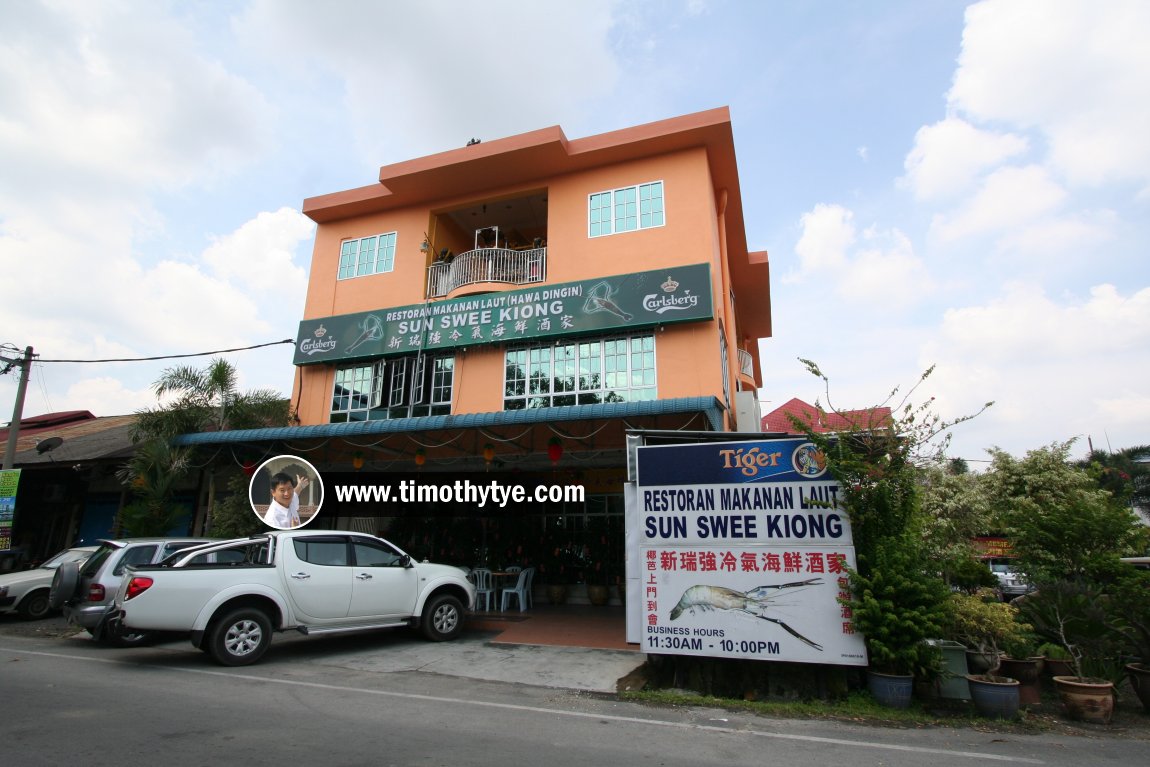 Restoran Makanan Laut Sun Swee Kiong, Tanjung Tualang (23 January, 2011)
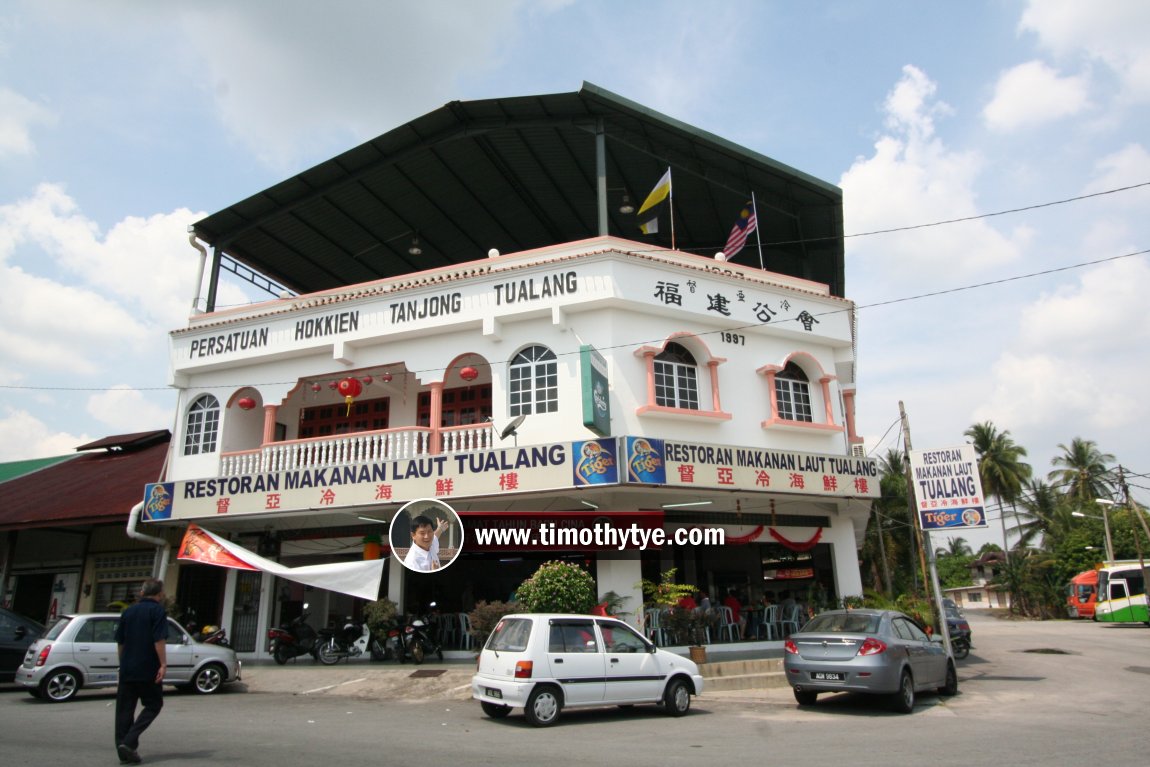 Persatuan Hokkien Tanjung Tualang (23 January, 2011)
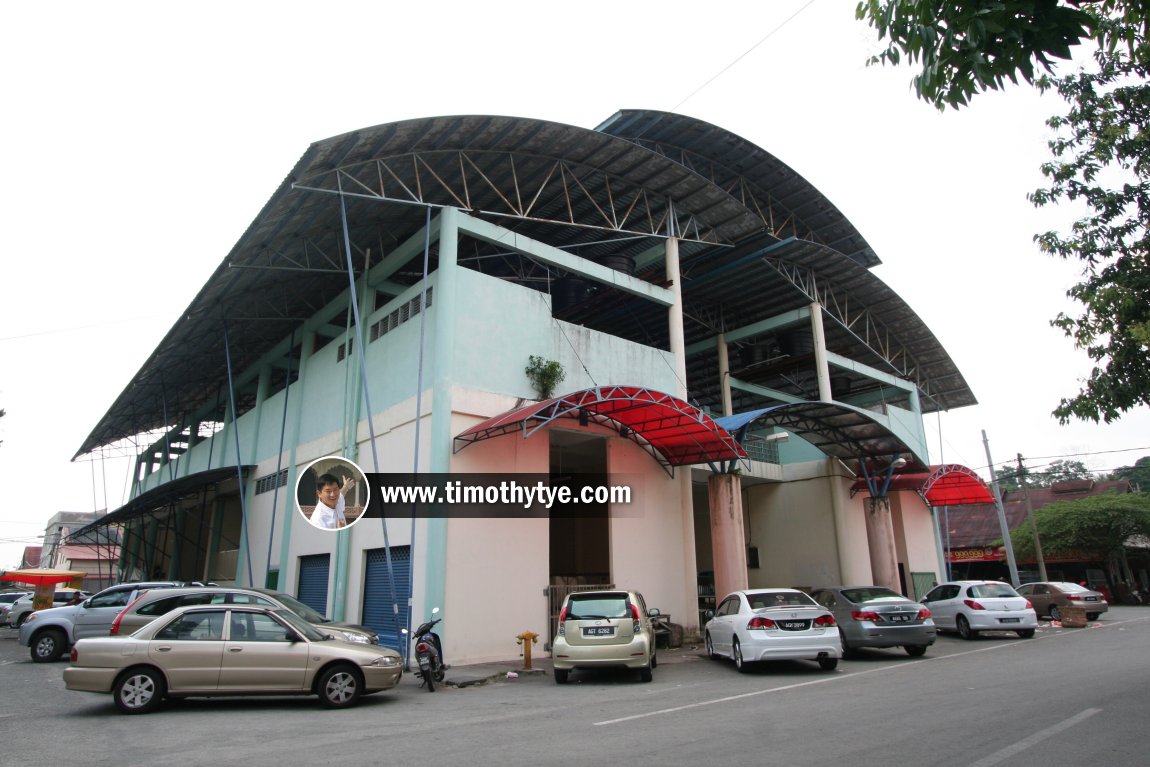 Tanjung Tualang Market (23 January, 2011)
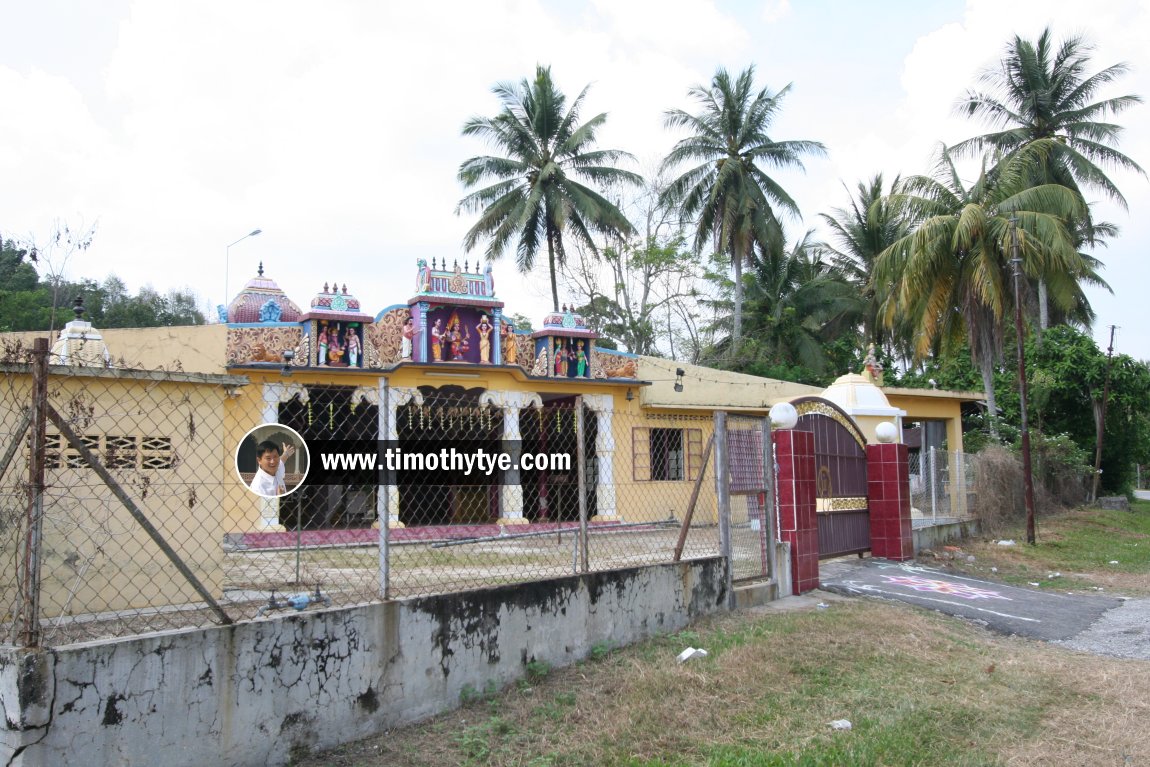 Tanjung Tualang Hindu Temple (23 January, 2011)
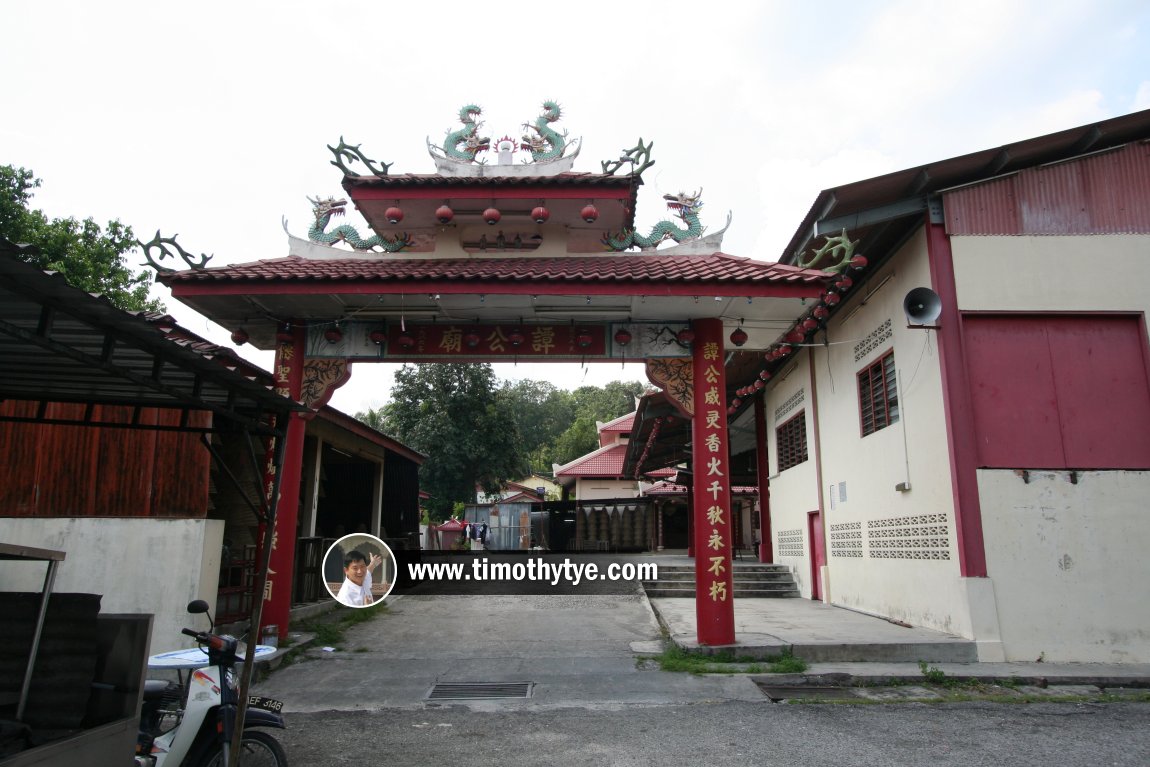 Tanjung Tualang Chinese Temple (23 January, 2011)
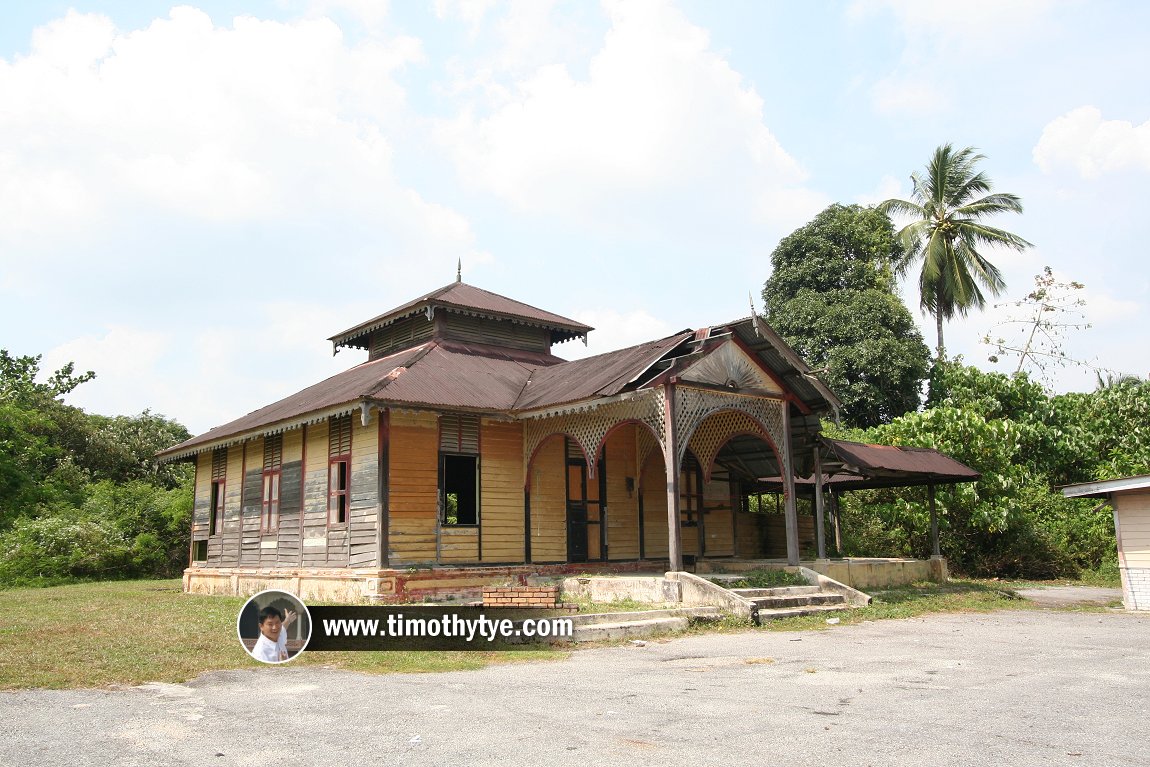 Old disused building, possibly once a school or kindergarten, GPS: 4.32745, 101.05579 (23 January, 2011)
References
- Tanjung Tualang Tin Dredge No. 5 (TT5). Official website. https://www.tt5perak.com/
- Majlis Daerah Batu Gajah. Warisan Kapal Korek. https://www.mdbg.gov.my/index.php/en/pelancongan/tarikan-pelancong?catid=38&id=230%3Awarisan-kapal-korek&view=article
- Majlis Daerah Batu Gajah. Tarikan Pelancong. https://www.mdbg.gov.my/index.php/pelancongan/tarikan-pelancong
- Majlis Daerah Batu Gajah. ESCAPE Ipoh @ Tanjung Tualang. https://www.mdbg.gov.my/index.php/pelancongan/tarikan-pelancong?catid=2&id=1088%3Aescape-ipoh-tanjung-tualang&view=article
- Majlis Daerah Batu Gajah. Revolusi Bijih Timah. https://www.mdbg.gov.my/index.php/pelancongan/mural/revolosi-bijih-timah
- Tourism Perak Malaysia. Tin Mining Trail at the Land of Grace. https://www.tourismperakmalaysia.com/wp-content/uploads/2021/12/TPR-1909-0060_TinMiningStory_Booklet_010720.pdf
- Universiti Pendidikan Sultan Idris. Research on the history and development of Papan and Tanjung Tualang. https://ir.upsi.edu.my/files/docs/2020/3366_3366.pdf
- Malaysia Mining Corporation. MMC 100 Years: The first. https://thehub.mmc.com.my/2018Q1/MMC-100-Years.pdf
- Bernama. TT5: Reviving Perak's Tin-mining Legacy. https://lifestyle.bernama.com/news-en.php?id=2490730
- Portal Pengurusan Masjid Negeri Perak. Masjid Nurul Hamidiah, Tanjung Tualang. https://masjid.islam.gov.my/maklumatDetailMS/1/0815075
- Portal Pengurusan Masjid Negeri Perak. Masjid Al-Falahiah, Tanjung Tualang. https://masjid.islam.gov.my/maklumatDetailMS/1/0815071
Page Details
This page was created on 15 September 2026. Hi, my name is Timothy and created it from my research, for my own entertainment, knowledge and to satisfy my curiosity. I am providing the information to you in good faith and hope it is useful. I try to get the details as accurate as possible. I also try to update the page whenever I stumble on new details. So this and all my other pages are perpetual work in progress. If you discover any error, please politely inform me, pointing out where the error lies, and I will correct it as soon as possible. Your helpfulness will keep this page accurate, relevant and helpful to those who need the information.Buy Me A Coffee
If you enjoy the information I provide and want to support the work I do, please buy me a coffee! I appreciate it immensely, thank you so much!
